Chevittorma (2026): Dileesh Pothan’s Deathbed Vigil Drama Refuses to Die, and So Does Its Tension

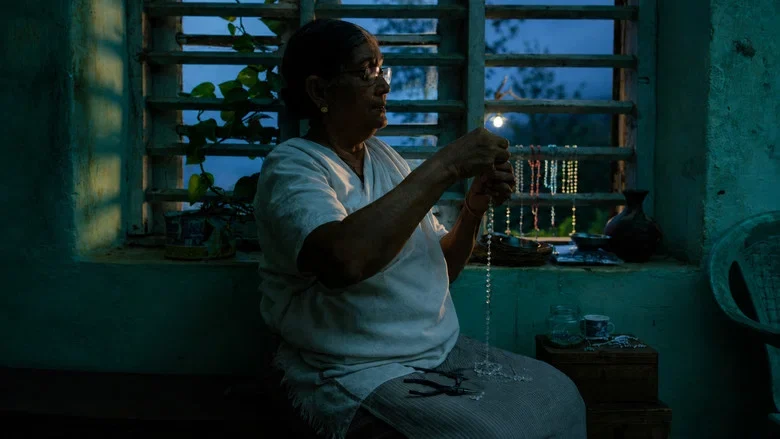
Leo Thaddeus opens on the whisper, not the death. A woman leans close to a stranger’s ear and speaks a prayer meant to loosen the soul’s grip on the world, and the film’s entire moral architecture is established in that gesture before a single plot point lands. When she is summoned to the hill country ancestral home of Payyammal Varkichan, we understand the assignment: talk a dying strongman out of his own clenched fist.
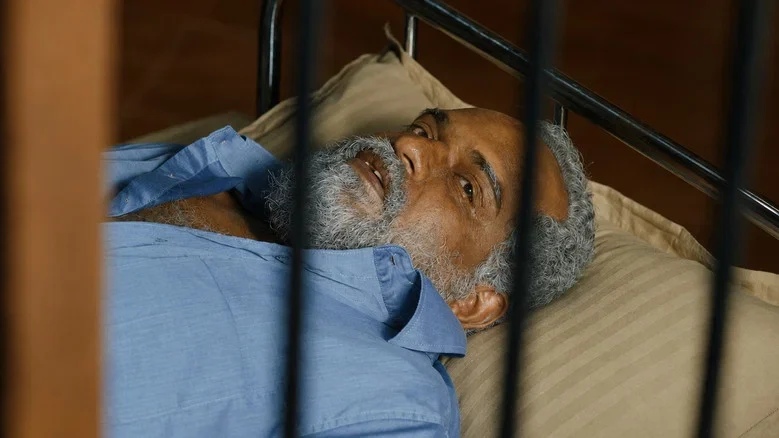
What follows is a chamber piece built on the cruelest structural joke in drama, the man simply does not die. Varkichan, a landlord of the old mold, is close enough to the end that his son George and George’s wife return after ten years of silence, yet far enough from it that the waiting curdles into confrontation. The deathbed becomes a stage. Nobody is allowed to leave it.
Dileesh Pothan Plays Old, Still, and Utterly Unrepentant
The casting is the film’s most aggressive gamble. Pothan, an actor-director whose screen presence has always carried a coiled, watchful intelligence, is aged up considerably here, and he plays the transformation through restriction rather than prosthetics. His Varkichan barely shifts beneath the blanket. The authority lives in his jaw and in the flat, unhurried register of his voice, a man who has decided that weakness, even terminal weakness, is a concession he will not make in front of his son.
That refusal is the engine. Theresia asks for repentance and forgiveness; Varkichan counters with silence, or with the smallest possible deflection of the eyes. Pauly Valsan, as the prayer-giver, works in an entirely different physical key, leaning in, hands still, voice pitched below the room’s ambient sound. Her warmth in Ottam Thullal was comic and outward; here it turns inward, and the contrast between the two performers is the film’s real battlefield.
When the Death Is Delayed, the Family Has Nowhere To Hide
Thaddeus understands that a vigil is only dramatic if the room is toxic. George’s return after a decade is not treated as a reunion but as an occupation, he and his wife settle into the house and wait, and the screenplay lets that waiting do the damage. Old resentments surface not through confession scenes but through logistics: who sits where, who is summoned, who is permitted near the bed.
The buried family history functions as the film’s true antagonist. There is no villain here, only inherited anger moving through generations like weather through the hills. The screenplay resists the kinetic sensationalism that overtook Soulmates – Oru Saathukkudi Pranayam, opting instead for a deliberate, suffocating dread that never quite releases its grip.
The Hills Outside, the Pressure Inside
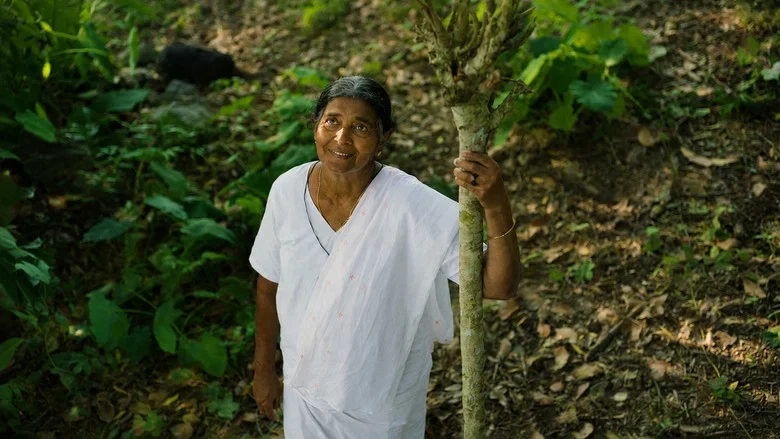
Thaddeus keeps the camera close and the house closer. The Kerala hill country exists mainly as a contrast, open, indifferent landscape against a household compressed into a few rooms and one bed. The framing favors faces at rest, which is a risky choice in a film where so much of the drama is internal, and it mostly pays off because Pothan and Valsan can hold a shot without decoration.
The sound design carries more weight than any musical cue. Whispered prayer, labored breathing, the specific acoustics of a large old house absorbing a small argument, these are the film’s real instruments. Where a lesser director would score the waiting, Thaddeus lets silence do the work, and the silence is frequently more hostile than dialogue.
A 95-Minute Vigil That Tests Its Own Patience
The runtime is lean, and that is a mercy. A premise built entirely on postponement risks collapsing into stasis, and there are stretches in the middle where the escalation is more implied than dramatized. The film trusts its performers to generate friction from proximity alone, and when it works, it works beautifully, but the pressure does not rise evenly, and one senses the screenplay circling the same confrontation rather than deepening it.
This is where the comparison to a more bombastic contemporary release becomes instructive. Where Toxic drowned its ideas in scale, Chevittorma errs in the opposite direction, occasionally mistaking stillness for momentum. Both are ambition problems. Only one of them is the more interesting failure.
The Ending Refuses the Comfort It Has Been Promising
What Thaddeus ultimately delivers is not a resolution but a reckoning with the impossibility of resolution. The question the film poses, can inherited anger end before the body does, is answered in a register closer to elegy than catharsis. The final movement belongs to Theresia, and Valsan plays it with a quiet authority that reframes everything preceding it as preparation rather than plot.
This patient character study signals a welcome tonal maturity across contemporary Malayalam dramas, proving that tension can be manufactured from a bed, a whisper, and a family that cannot forgive itself. It is not a film that rewards impatience. It is a film that rewards attention.
Rating: 3.5 / 5
Somewhere in the hills, a man dies the way he lived, on his own terms, unforgiven, and unforgiving. The prayer was whispered anyway. That is the film’s whole argument, and it is enough.

Ankit Jaiswal is the Chief Author, covering Indian cinema and OTT releases with honest, no-filler criticism. An SEO strategist by background, he brings a research-driven approach to film writing, cutting through hype to tell you exactly what's worth your time.
Related Movies & Releases