Last Man in Tower (2026): Manoj Bajpayee Anchors a Precise but Airless Chamber Drama


Ben Rekhi opens his adaptation of Aravind Adiga’s novel not with a skyline but with a staircase, concrete, unlit, the kind of vertical throat that swallows light and returns the sound of your own footsteps. Yogesh Mishra, retired schoolteacher, widower, known to everyone in the Vishram Society as Masterji, climbs it daily. The building is old, the paint is peeling, the wiring is a fire hazard. And that, precisely, is the point: the worse the architecture looks, the more valuable the land beneath it becomes.
Sooni Taraporevala’s screenplay wastes no time establishing the geometry of the conflict. Dharmen Shah, a developer with the polished patience of a man who has never lost a negotiation, wants the tower vacated. The residents want the compensation. Masterji wants to stay. The film’s central question, what happens when a community decides one man’s grief is an obstacle to its collective uplift, is set in motion within the first twenty minutes, and it never truly leaves the building.
When a Society Meeting Becomes a Tribunal
The film’s most effective sequences are its ugliest: the society meetings where neighbors gather in a cramped hall and slowly, methodically, turn on the man who taught their children. These scenes work because Rekhi refuses to stage them as explosive confrontations. They are bureaucratic, almost mundane, someone reads out a letter, someone else mentions the elevator repairs, and then a voice from the back asks Masterji why he is being so difficult. The pressure is not theatrical. It is administrative. And that makes it far more chilling.
What the film captures with uncomfortable precision is the way greed dresses itself in the language of practicality. The neighbors do not hate Masterji. They pity him, then resent him, then begin to fear him, not because he is dangerous, but because his refusal forces them to confront the fact that they are willing to sell something he considers sacred. The production house is testing whether domestic audiences will embrace an intimate character study rather than the maximalist spectacle seen in Haiwaan, and the answer, at least on the evidence of this film, is that the smaller canvas can cut deeper.

Bajpayee’s Stillness Is the Film’s Moral Engine
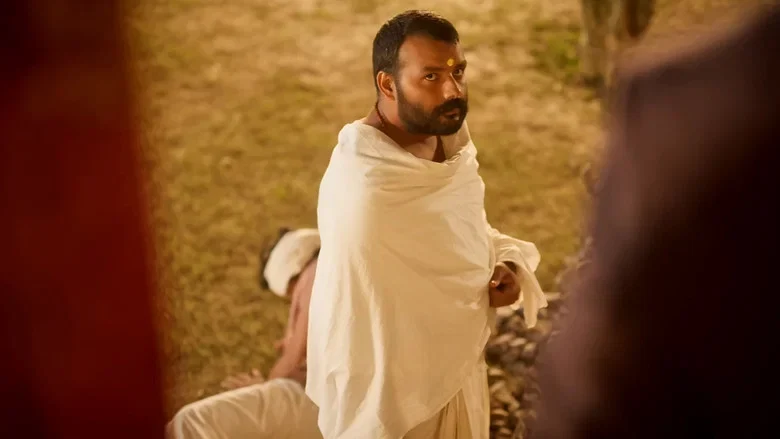
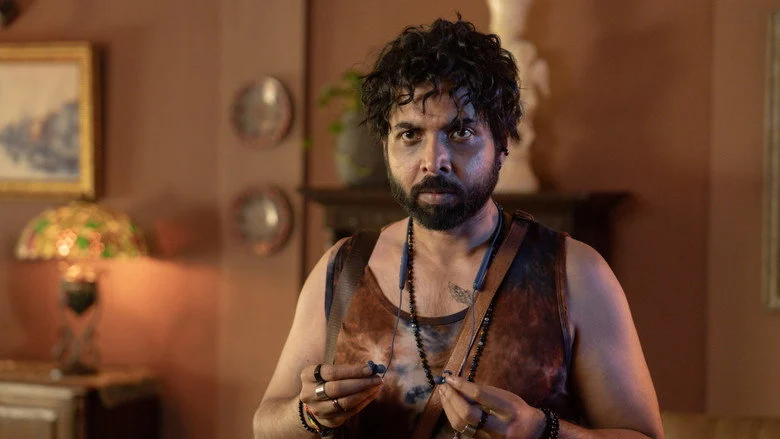
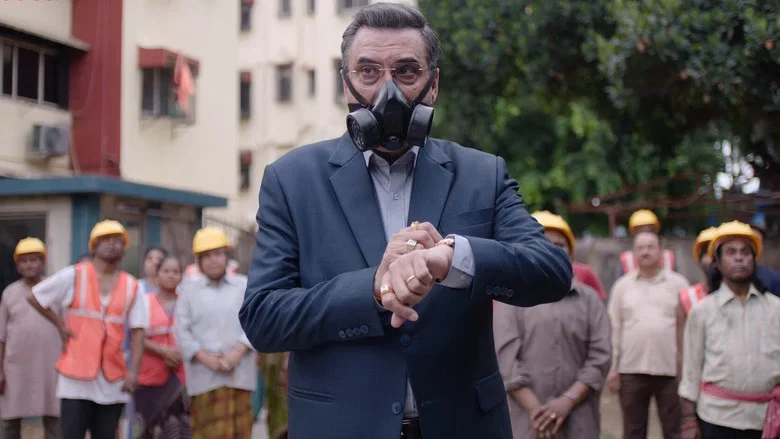
Manoj Bajpayee plays Masterji not as a martyr but as a man who has already lost the argument and knows it. His refusal is rooted in something the screenplay never over-explains: the apartment is the last physical remainder of his life with his late wife, and to sign it away is to admit that the past is merely real estate. Bajpayee’s performance is strongest in silence, a slight tightening of the jaw when a neighbor suggests he is being selfish, a long pause before he answers a question he has already decided not to answer honestly.
The film’s smartest structural choice is to keep him almost entirely still. He sits in meetings. He stands in doorways. He watches. And because he does not raise his voice, the people around him have to raise theirs, which means the audience sees the community’s deterioration in real time. It is a performance of restraint that recalls the actor’s work in Hanuman Ansh, where quiet devotion also anchored a flawed but faithful adaptation, though here the devotion is to memory rather than faith.
Boman Irani’s Developer Is a System, Not a Villain
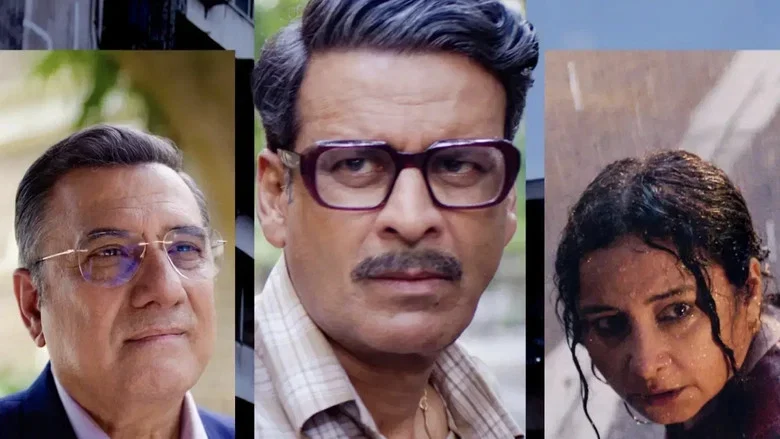
Boman Irani’s Dharmen Shah is not a mustache-twirling antagonist. He is a businessman who speaks softly, dresses immaculately, and never once threatens anyone. His power is expressed through the way he occupies space, he sits at the head of the table, he lets silence do the work of persuasion, he smiles at Masterji with the patience of a man who has outlasted dozens of holdouts. The role is built as a systemic antagonist, more corporate and procedural than theatrical, and Irani plays him with a calm that is far more unsettling than rage would be.
The confrontations between the two men are staged as uneven power struggles, but not in the way you might expect. Shah does not try to break Masterji. He tries to understand him, because understanding is how he wins. And in those scenes, the film finds its most uncomfortable truth: the builder is not the villain of the story. The neighbors are.
The Short Runtime Is Both a Virtue and a Wound
At ninety-seven minutes, Last Man in Tower is remarkably efficient. There is no padding, no unnecessary subplot, no musical interlude to break the tension. The film moves from premise to pressure to confrontation with the discipline of a stage play, and the tight runtime ensures that the audience never gets a chance to relax. But efficiency is not the same as depth, and the film’s brevity is also its most significant limitation.
Adiga’s novel sprawls across a city, mapping the civic ecosystem that makes redevelopment both inevitable and corrupt. The film, by contrast, stays almost entirely within the Vishram Society, its corridors, its apartments, its meeting hall. This spatial concentration gives the drama a claustrophobic intensity, but it also means that the broader social texture feels underdeveloped. The neighbors are types more than characters: the anxious mother, the pragmatic young man, the elderly couple who just want to move before they die. They serve the argument, but they do not complicate it.
What the Film Refuses to Give You
There is no catharsis in Last Man in Tower. The ending, which I will not spoil, resolves the central conflict but refuses to provide the emotional release that audiences typically expect from this kind of drama. The film’s final act is compressed, almost abrupt, and it leaves you with the uncomfortable sense that the story is not over, that the same negotiations, the same betrayals, the same quiet cruelties are happening in a thousand other buildings across Mumbai.
That refusal is deliberate, and it is the film’s most radical gesture. This is not a story about a hero who resists and wins. It is a story about what happens to a community when it decides that one person’s refusal is an inconvenience it can no longer afford. The film’s unsettling portrait of a society turning on itself under greed and pressure is its greatest achievement, and also its most alienating quality. You are not meant to feel good at the end. You are meant to feel complicit.
The Verdict
Last Man in Tower is a film of considerable craft and limited scope. Bajpayee’s performance is a masterclass in restraint, Irani’s developer is a quietly terrifying creation, and the film’s use of space, the corridors, the stairwells, the cramped meeting hall, is precise and purposeful. But the compression that makes the film so efficient also prevents it from achieving the emotional accumulation that a story about communal betrayal demands. It is a good film that could have been a great one, and the gap between the two is measured in the scenes it does not show us.
This is cinema for viewers who prefer moral argument to moral comfort, who understand that the most dangerous villains are not the ones who shout but the ones who smile while they wait. If you are looking for a film that resolves its tensions, that rewards its protagonist, that lets you leave the theater feeling that justice has been done, this is not that film. But if you are willing to sit in the discomfort of a story that refuses to look away from the cost of compromise, Last Man in Tower will stay with you long after the credits roll. It is not an easy watch. It is not meant to be.
Rating: 3 / 5
The last man standing is not the hero of this story. He is the evidence.
Ankit Jaiswal is the Chief Author, covering Indian cinema and OTT releases with honest, no-filler criticism. An SEO strategist by background, he brings a research-driven approach to film writing, cutting through hype to tell you exactly what's worth your time.