Young Sherlock: Guy Ritchie’s Prime Video Series Sets March 2026 Launch

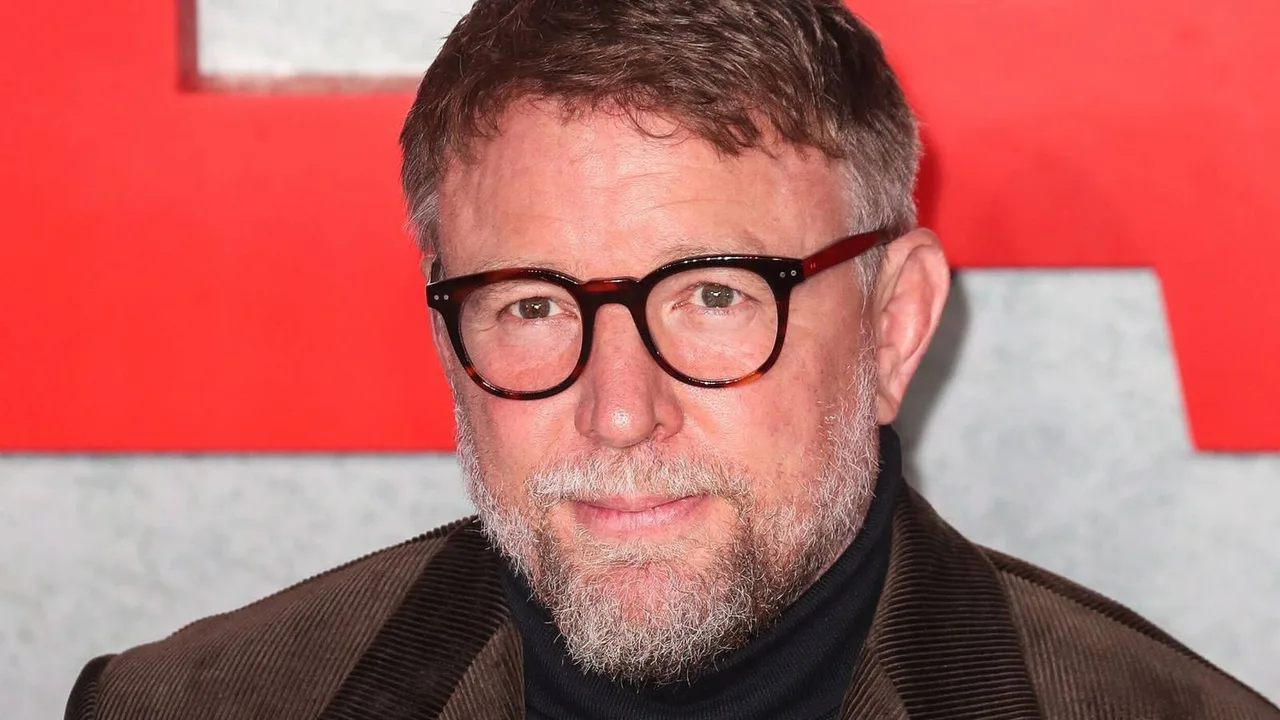
- The Scoop: Guy Ritchie’s eight-episode origin series Young Sherlock premieres exclusively on Prime Video on March 4, 2026, across more than 240 countries and territories.
- Cast Architecture: Hero Fiennes Tiffin leads as the young detective, with Dónal Finn as Moriarty, Max Irons as Mycroft, and Colin Firth, Joseph Fiennes, and Aidan Gillen rounding out the ensemble.
- Creative Battery: Ritchie directs and executive produces, with Matthew Parkhill serving as writer and showrunner on the Amazon MGM Studios production.
- Franchise Separation: This is a distinct streaming property from the long-gestating third Robert Downey Jr., Jude Law film, which remains in development.
Guy Ritchie returns to Baker Street mythology through the back door: Young Sherlock, his eight-episode origin series for Prime Video, launches March 4, 2026, in more than 240 countries and territories.
The Amazon MGM Studios production marks Ritchie’s first Sherlock-adjacent storytelling in roughly fifteen years, and it arrives as a streaming event rather than a theatrical bet.
Ritchie Rebuilds the Detective From the Ground Up
This is not the brass-knuckle Victorian brawler of the Downey Jr. era. The series positions Sherlock Holmes before the legend crystallized, tracing the raw material of the world’s most famous deductive mind.
Ritchie directs and executive produces, applying his signature kinetic staging to a character study rather than a globe-trotting action spectacle. Matthew Parkhill, the writer and showrunner, carries the narrative architecture across all eight episodes.
The teaser Deadline reported pivots on a murder that places the young detective himself under suspicion. That inversion, Holmes as suspect rather than investigator, signals a psychological framing built for serialized television.
Hero Fiennes Tiffin, best known for the After franchise, takes the lead, a casting swing that trades established marquee weight for youthful reinvention.
An Ensemble Built to Balance the Lead
The supporting roster is unusually deep for a streaming origin story. Dónal Finn plays James Moriarty, giving the series its adversarial spine from the first frame rather than saving the nemesis for a later season.
Max Irons steps in as Mycroft Holmes, while Natascha McElhone and Holly Cattle fill out the Holmes family as Cordelia and Beatrice. Colin Firth, Joseph Fiennes, Indira Varma, Olivia Williams, Sophie Skelton, Zine Tseng, and Aidan Gillen complete the bench.
That caliber of British character talent around a relative newcomer suggests the production is hedging its lead’s drawing power with institutional prestige, a familiar streaming playbook, executed here at scale.
The ensemble also gives Ritchie a repertory of seasoned performers to orbit around Fiennes Tiffin’s central turn, keeping the eight-episode arc from resting on a single shoulder.
Prime Video’s March Slot and the Franchise Math
The March 4 launch lands in a relatively uncrowded streaming corridor, giving the series room to build word-of-mouth without colliding with a holiday tentpole crush. For a platform chasing subscriber retention, that breathing room matters as much as the premiere date itself.
Amazon MGM is treating this as a global day-one drop across 240-plus territories, a distribution commitment that signals confidence in the property’s international appeal, particularly across UK and Commonwealth markets where the Holmes mythology carries built-in recognition.
The series exists entirely apart from the third Robert Downey Jr., Jude Law film, which remains in development limbo. Ritchie himself noted of that long-delayed project, “It’s amazing that it hasn’t happened,” a remark that underscores the film’s stalled status without confirming any cancellation.
For Prime Video, the real return on this investment isn’t a single weekend of viewership, it’s the subscriber funnel an eight-episode, globally launched franchise play creates, locking in audiences across a full quarterly cycle. Monitored across our theatrical release tracking, the contrast with Ritchie’s big-screen bets is instructive.
Whether the series earns a second season will hinge on completion rates and international engagement, metrics that now carry more weight than opening-weekend noise. The March 4 drop is the first data point in that calculation.

Ankit Jaiswal is the Chief Author, covering Indian cinema and OTT releases with honest, no-filler criticism. An SEO strategist by background, he brings a research-driven approach to film writing, cutting through hype to tell you exactly what's worth your time.
Related Movies & Releases