The India Story (2026): A genre film saved by its ensemble, undone by its screenplay

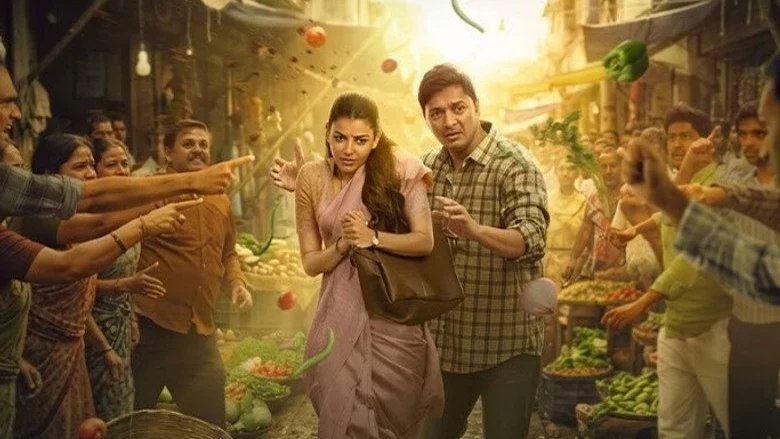
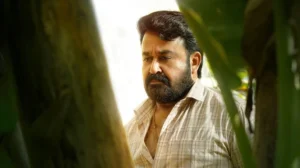
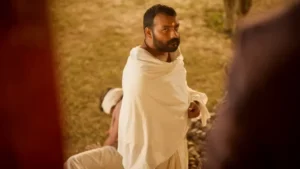
There is no single image of Talpade shouting from the rooftops. Instead, he plays a man worn down by paperwork and silence. His finest moment comes late in the film, in a cramped municipal office, where he argues for accountability without raising his voice. That restraint is the film’s emotional anchor. Talpade understands that outrage in a drama thriller about pesticide contamination has to feel earned, not performed.
Kajal Aggarwal brings necessary gravity
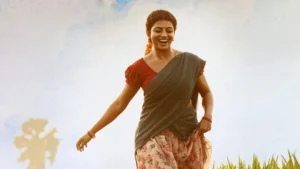
She is given a hospital corridor scene that could have been melodramatic in lesser hands. Aggarwal plays it entirely through body language, a slight tremor in her hand, a steady gaze at the doctor. It is a performance that understands trauma does not always announce itself loudly. I found myself wishing the script had given her more such moments, because the film needs her tempering presence.
Direction and screenplay: one smart choice, one frustrating flaw
Chetan DK directs with a documentary-like patience, allowing the pesticide contamination angle to build gradually. The film refuses easy villains, corruption here is system-wide, not personified by a single antagonist. That is its sharpest storytelling decision.
The flaw emerges in the second act. The screenplay, written by Sagar B Shinde and Dhiraj Adik, rushes past the actual science of the contamination. We hear about toxic residues but never see the investigation unfold. The result is a thriller that feels more told than shown.
This drama thriller trusts its premise but not its audience
The genre here is environmental protest drama, and the film gets the mood right. Long, quiet shots of empty fields. The hum of bureaucratic indifference. These details land because DK trusts the silence between words. The opening day collection of 1-1.5 crore net India (Koimoi reported on July 23, 2026) suggests audiences were curious, but the film needed stronger word-of-mouth.
Where it stumbles is in treating the courtroom scenes as foregone conclusions. A drama thriller needs tension in its procedural sequences, and these move too predictably. The cross-examinations lack the verbal sparring that made similar films gripping. We watch the verdict approach without ever feeling the danger of it not arriving.
The third act recovers slightly with a public hearing scene that finally uses Murli Sharma’s presence effectively. Here, the film remembers that good thrillers are built on small confrontations, not grand speeches. It is too little, too late, but welcome nonetheless.
For more on the genre, browse our collection of Hindi Thriller reviews.
Manish Wadhwa and Murli Sharma: two different registers of menace
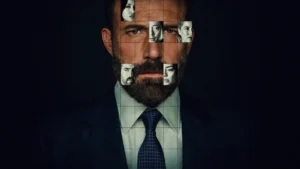
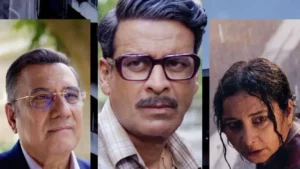
Wadhwa plays the corporate liaison with a polished smile that never reaches his eyes. He has a moment in a boardroom where he casually mentions “regrettable oversight”, the line lands because Wadhwa makes corporate jargon feel like a threat. Sharma, as a local politician, operates differently. His menace is cruder, angrier, and Sharma leans into it without restraint. These two actors represent different arms of the same corrupt system, and the film is smartest when it keeps them both in frame.
Audience reception tells a split story
Social media sentiment appears divided between those who admire the film’s intent and those frustrated by its execution. Without detailed IMDb or BookMyShow figures available, the conversation seems centered on whether good intentions can compensate for a screenplay that plays it safe. The film clearly wants to be important. It does not always want to be thrilling. That gap explains why audiences are talking more about the subject than the story.
The India Story means well, and that matters. But good intentions do not automatically make a taut drama thriller. Watch it for Talpade and Aggarwal, who find humanity where the script only finds slogans. The best format to watch is a quiet night at home, where its slow-burn patience can work without distraction. Also consider Tera Yaar review for a very different register of ensemble-led storytelling.
The India Story is sincere but undercooked, a 2.5 out of 5 drama thriller that respects its subject more than its own craft. Jana Nayagan verdict handles similar thematic weight with tighter screenplay discipline.

Ankit Jaiswal is the Chief Author, covering Indian cinema and OTT releases with honest, no-filler criticism. An SEO strategist by background, he brings a research-driven approach to film writing, cutting through hype to tell you exactly what's worth your time.
Related Movies & Releases