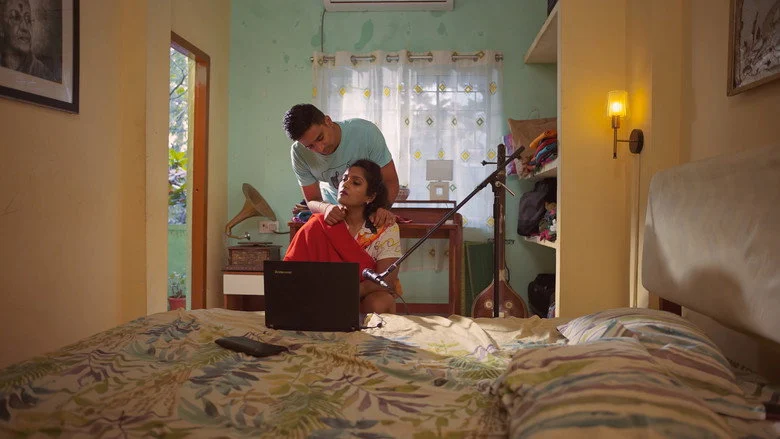

Aligned Apart (2026): Arham Jain s gives the film energy despite weak payoffs
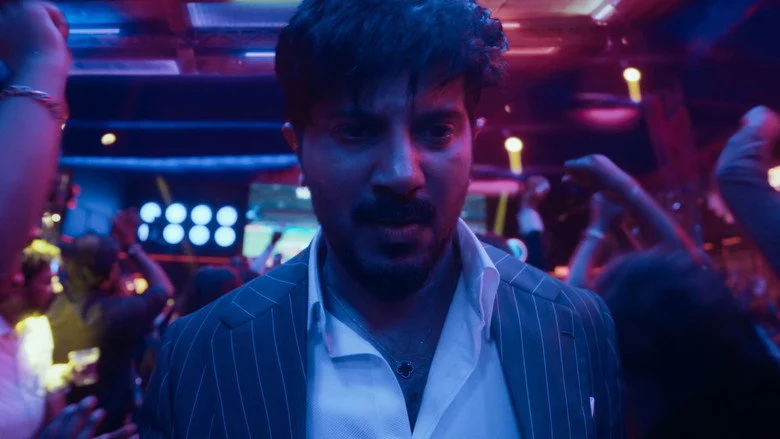
The trailer opens with a sharp accusation: “Now you play the victim-card, and make me the villain!” It’s a loaded line, and Arham Jain sells the frustration with a subdued, inward fury. Neel isn’t built for explosive rage; his suffering reads as a slow-burning resentfulness that feels honest to someone losing both a partner and a job simultaneously.
Jain’s performance is framed around that confrontation, but the more interesting beats are the quieter ones. His role relies on introspection rather than external action, and that choice keeps the character grounded even when the dialogue gets heavy-handed.
Tanisha Kulkarni’s Tara: The Other Side of the Same Wound
Tanisha Kulkarni’s Tara is the film’s second emotional entry point, dealing with her parents’ separation and the instability that follows. Where Neel’s grief is confrontational, Tara’s is quieter, a distress that surfaces in family uncertainty rather than direct exchanges.
Kulkarni’s scenes appear to contrast neatly with Jain’s, giving the parallel structure its necessary weight. The film’s central bet is that these two strangers’ mirrored journeys will resonate more together than apart, and the trailer suggests Kulkarni holds her half of that bargain with a composed, aching stillness.

Direction and Screenplay: A Strong Premise, A Blunt Delivery
Parth Bhonge’s direction shows a clear eye for emotional mirroring, cross-cutting between Neel and Tara to stage their parallel losses. The trailer’s mood stays focused on grief and reflection, avoiding plot overload in favor of atmosphere. That restraint is the film’s biggest strength, it trusts the audience to track the symmetry without hand-holding.
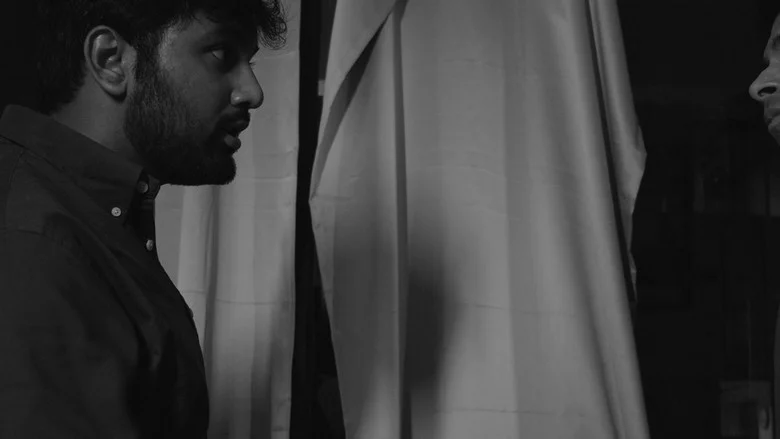
But the screenplay leans too hard on explanatory dialogue. The breakup exchange, the “four months, bro” line, and the closing question about hope all state their themes outright rather than letting scenes breathe. It’s direct to the point of being overt, which risks flattening the subtext the parallel structure works so hard to build.

Genre Execution: Drama That Mirrors Instead of Moves
As a drama, Aligned Apart stages its conflict through contrast rather than collision. Neel’s job loss and breakup are set against Tara’s family breakdown, creating two distinct loss narratives that intersect thematically. The opening breakup exchange establishes the interpersonal stakes quickly, but the film’s real tension lives in how these two stories echo each other.
The closing montage is where the craft sharpens. The voiceover question, “If hope is keeping us alive, what is driving us to the end?”, condenses the film’s entire thematic frame into a single reflective turn. It’s a moment that suggests Bhonge understands dramatic rhythm, even if the trailer doesn’t reveal how he lands it.
The short-film format suits this material, keeping the scope compact and the emotional focus tight. But the trailer reveals little beyond the premise, leaving the narrative payoff unverified. The mirrored structure is easy to track, but whether it builds to something greater than its parts remains an open question.
Supporting Cast: Function Over Flourish
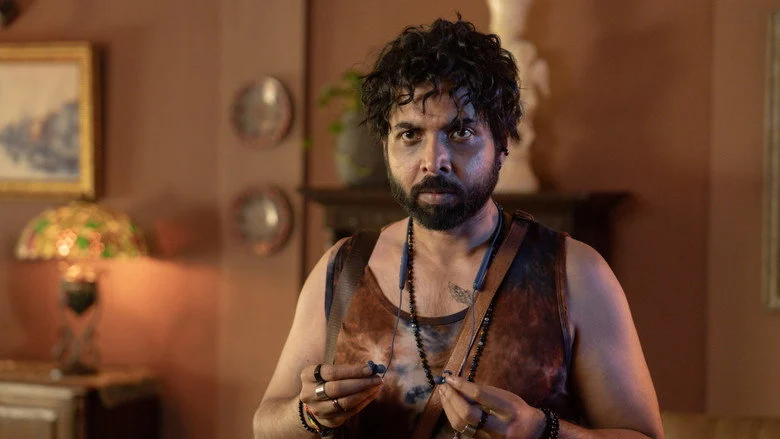
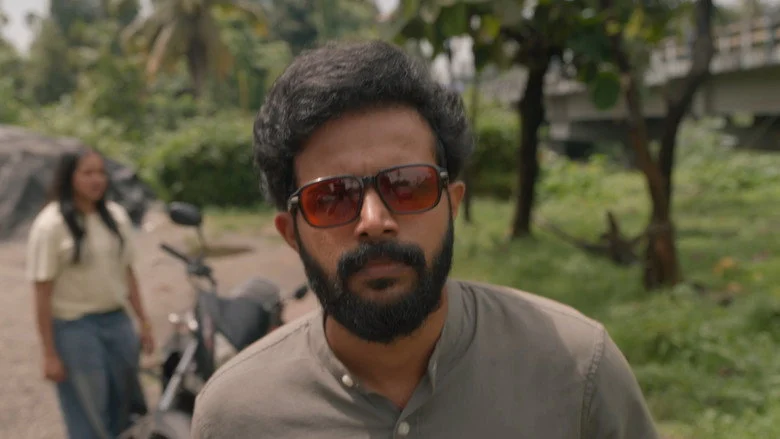
Parth Bhonge’s Veer appears as a connective presence, likely anchoring the shared emotional world without a defined arc of his own. Harshita Panjabi’s Nikita and Himanshi Satwani’s Kavya fill out the relational landscape, with Kavya referenced directly in the breakup dialogue as the trigger for Neel’s opening confrontation. Mr. Sudeep Bobde’s Boss grounds the job-loss context, serving as a workplace authority figure rather than a full secondary character.
None of these roles get substantial trailer time, but their casting signals a film built around relational friction rather than individual heroics. The absence of a clear antagonist is telling, here, the opposing forces are internal and relational, from family separation to emotional disengagement. That choice keeps the drama intimate, even if it limits the ensemble’s chances to stand out.
For more on how parallel narratives handle grief and recovery, browse more Hindi Drama reviews.
The Hope Question: A Thematic Close That Works
The film’s most praised moment is its closing reflective sequence, and it’s easy to see why. The final voiceover ties the parallel journeys together into a single question about survival, giving the drama a clear emotional destination. It’s a smart structural choice that makes the trailer feel complete even without revealing a conventional climax.
But the dialogue-heavy approach cuts both ways. The trailer front-loads conflict through explicit exchanges, which may read as less subtle than performance-led storytelling. I’d argue the film’s best instincts are visual and structural, the intercutting, the mirrored framing, and its weakest are the moments where characters say exactly what they feel.
Aligned Apart is a compact, reflective drama for audiences who prefer character-driven stories over plot mechanics. If you’re in the mood for a short, emotionally direct watch about loss and recovery, this one earns your time. Watch it for the parallel structure and the closing question, not for narrative surprises. The film’s ambition is modest, but its emotional clarity is real, a 3 out of 5 for what it attempts, with room to grow in subtlety.
For a similar take on mirrored grief, check out KJQ review.
And for another crime drama anchored by a strong lead, see Detective Teekshanaa verdict.