Prahaar: The Untold Story of Ujjwal Nikam (2026): Rajkummar Rao’s Measured Prosecutor Anchors a Courtroom Drama That Keeps Losing Its Case to the Family Subplot

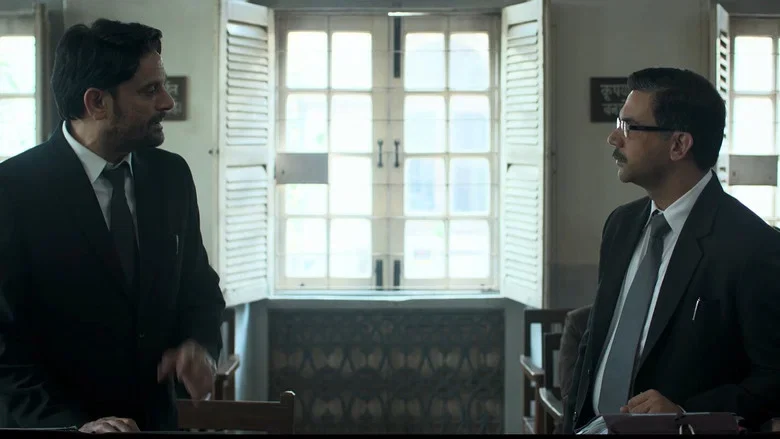
The gavel lands, the gallery exhales, and Avinash Arun’s camera refuses to cut away from Rajkummar Rao’s face, because the verdict isn’t the point. The point is the toll of extracting it. Prahaar: The Untold Story of Ujjwal Nikam arrives as Maddock Films’ most sober-minded gambit yet: a legal procedural about proving Ajmal Kasab’s guilt beyond reasonable doubt while the country demands blood.
A Prosecutor Built From Restraint, Not Rage
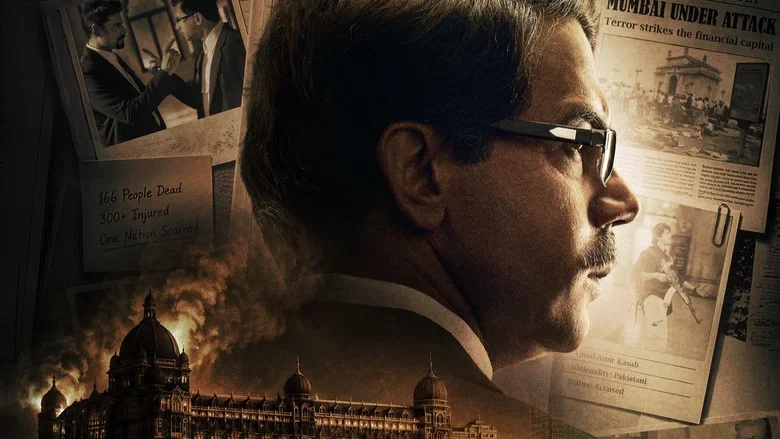
Rao plays Nikam as a man who has trained himself out of catharsis. Watch his hands in the early courtroom sequences, flat on the desk, fingers spread, never drumming, never clenching. It’s the physical grammar of a man who understands that visible anger is a liability inside a room where every word is recorded.
That discipline is the film’s sturdiest asset. Where a lesser actor would have played the public prosecutor as a national avenger, Rao keeps his voice in a low, measured register and lets the evidence do the shouting. The performance never breaks character, and the film is better for it.
The Defence Table Is Where the Tension Actually Lives
Sikandar Kher’s Abbas Kazmi is the film’s most useful structural invention. He isn’t written as a villain but as a procedural obstacle whose job is to make the prosecution earn every inch, and the trial sequences sharpen considerably whenever he leans forward to challenge admissibility.
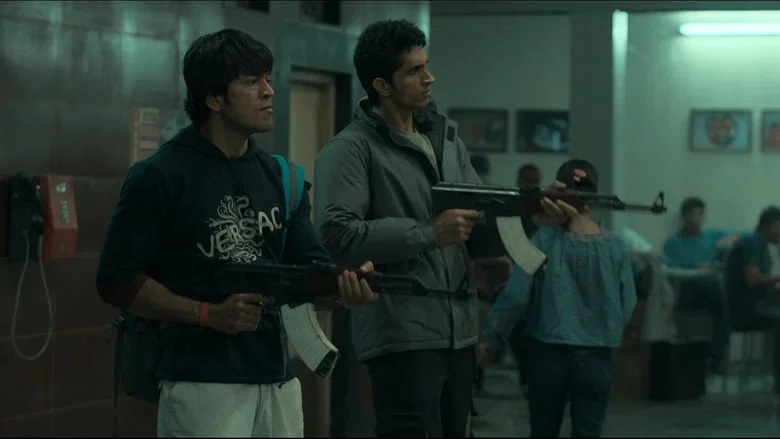
Lalit Prabhakar’s Kasab functions as the moral centre of gravity rather than a spectacle. He sits in the dock as a legal problem the state must solve correctly, and the film’s refusal to turn him into an action-movie antagonist is its most principled choice.
That restraint has precedent in this director’s instinct for controlled confrontation. Just as the staging discipline in Academy Museum Gala 2026 favored composure over spectacle, Arun keeps his camera locked on testimony and cross-examination instead of recreating the attacks for shock value.
When the Family Enters, the Courtroom Stalls
Wamiqa Gabbi’s Jyoti Nikam is handed the film’s heaviest burden and the least material. She is asked to embody the private cost of a public crusade, but the screenplay gives her waiting rooms, silences, and a husband who is always elsewhere, and then treats her frustration as an interruption rather than a parallel investigation.
The domestic passages don’t just slow the momentum; they reveal a structural confusion about what the film is actually about. Every time the narrative leaves the courtroom for the Nikam household, the procedural pressure drops and the audience is asked to care about a marriage the script hasn’t bothered to dramatize.
Gabbi’s work in DC showed she can carry tension in a tight frame; here she is stranded in scenes that mostly require her to look wounded while the plot waits for her to leave the room.
Procedure as Suspense, Predictability as Cost
The film’s smartest genre move is treating “beyond reasonable doubt” as a ticking clock rather than a legal formality. Each evidentiary challenge from the defence becomes a small cliffhanger, and the trial’s national stakes make every procedural exchange feel consequential.
But the outcome is history, and the screenplay never finds a way to make the known verdict feel uncertain. There are no genuine reversals, no moments where the prosecution’s case appears to collapse, only a steady, linear march toward a conclusion the audience arrived at before the opening credits.
This is the risk that dogs every ripped-from-the-headlines legal drama, and it is the same tension that hollowed out the central gambit in Kalpana Aur Yatharth: when the destination is fixed, the journey must supply its own jeopardy, and here it only intermittently does.
The Ensemble Exists Mostly to Fill Chairs
Beyond Kher and Prabhakar, the supporting bench is populated by recognizable faces doing minimal dramatic work. Jaideep Ahlawat’s investigative presence registers as texture rather than character; Ashish Vidyarthi’s judge presides with appropriate gravity but is given no ruling that meaningfully shifts the trial’s direction.
This is a casting decision that trades dramatic function for marquee familiarity. The film wants the weight of a prestige ensemble without giving any of those performers a scene that justifies their presence.
Maddock’s Gamble and the Remake-Era Balance Sheet
Dinesh Vijan’s Maddock Films has built its recent slate on high-concept horror-comedy and franchise IP, which makes a grim 26/11 courtroom procedural an unusual portfolio entry. The opening-day numbers, ₹2.35 crore India net, ₹3.52 crore worldwide, suggest the film is playing to a narrow, older, procedurally inclined audience rather than the mass multiplex crowd.
The commercial math is unforgiving. A real-case legal drama with a known outcome has limited repeat-viewing appeal, and without a verified budget or first-week trajectory, the film’s theatrical sustainability remains an open question. Rao’s box-office leverage is real but has historically worked best in mid-budget character vehicles rather than prestige historical dramas.
What this release signals is a broader appetite for sober, issue-driven storytelling across contemporary hindi dramas, a lane that rewards craft over spectacle but rarely delivers franchise-scale returns.
The Verdict the Film Refuses to Deliver
What lingers is not the conviction but the cost of pursuing it correctly. The film argues, quietly and persistently, that justice demanded through procedure is worth more than justice demanded through rage, and then fails to dramatize what that principle took from the man who upheld it.
Rao’s Nikam wins the case and loses something the screenplay never names. That unnamed loss is the film’s truest subject, and its refusal to sit with it is the reason Prahaar lands as a solid procedural rather than the defining 26/11 courtroom drama it clearly wanted to be. The gavel falls clean; the echo is muffled.

Ankit Jaiswal is the Chief Author, covering Indian cinema and OTT releases with honest, no-filler criticism. An SEO strategist by background, he brings a research-driven approach to film writing, cutting through hype to tell you exactly what's worth your time.
Related Movies & Releases