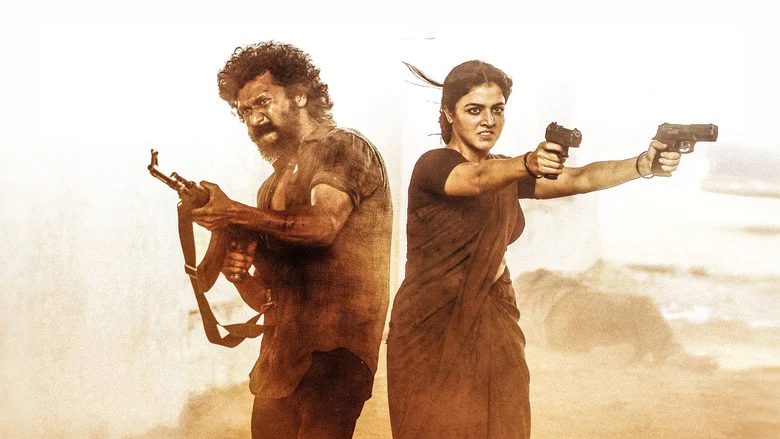
DC (2026): The Trailer s keeps the film tense but uneven overall
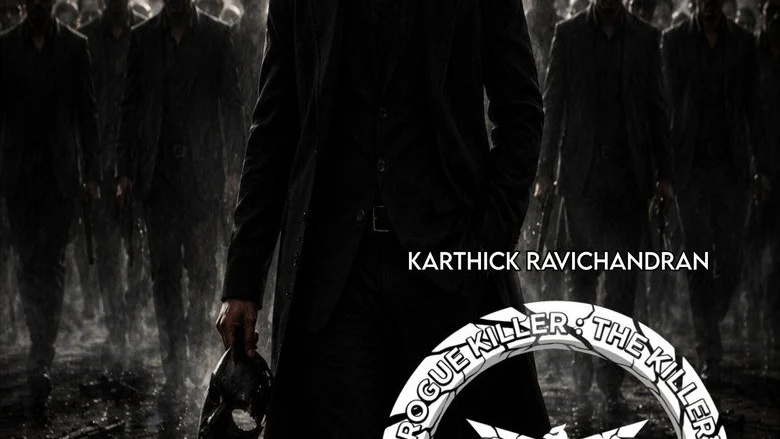
The trailer for DC opens not with a hero’s introduction, but with a plunge, a visceral drop into a world where law and extremism collide with brute force. It’s a frame that signals Arun Matheswaran’s intent: this is not a clean fight, but a messy, bloody survival.
From that first moment, you sense this is a film for those who like their action soaked in consequence, not just choreography.
Lokesh Kanagaraj Steps Out From Behind The Camera With A Feral Presence
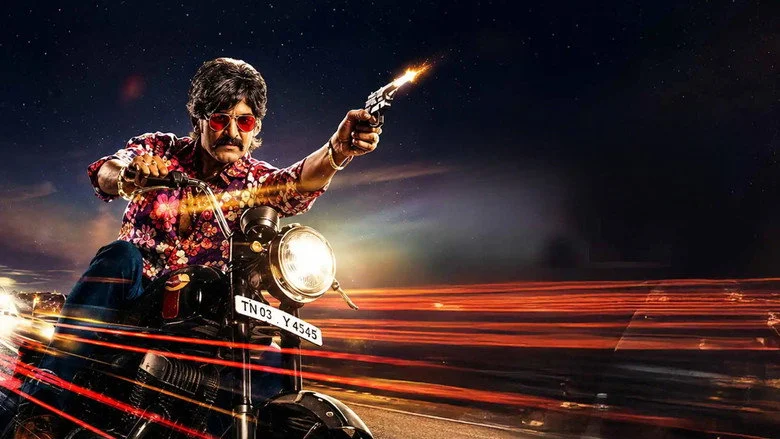
Lokesh Kanagaraj, the architect of the LCU, makes his acting debut as Devadas, a rugged rebel on the run. He carries the physical weight of the role, a man whose body language suggests he’s always one step from a brawl or a breakdown.
His decision to protect Chandra, even when logic dictates otherwise, is the film’s emotional engine. It’s a performance that leans on intensity over dialogue, which suits the gritty register Matheswaran is aiming for.

Direction and Screenplay: A Linear Path With A Familiar Destination
Matheswaran’s direction is confident, creating a palpable sense of dread in the urban sprawl. The screenplay, however, follows a strictly linear structure that loosely adapts the Devdas novel, and that familiarity cuts both ways.
The strength lies in the relentless pacing of the first half, but the flaw emerges in the third act where the “alliance demands bloodshed” trope feels like a narrative shortcut. I found myself wishing the script trusted its characters’ silences more than its gunfire.
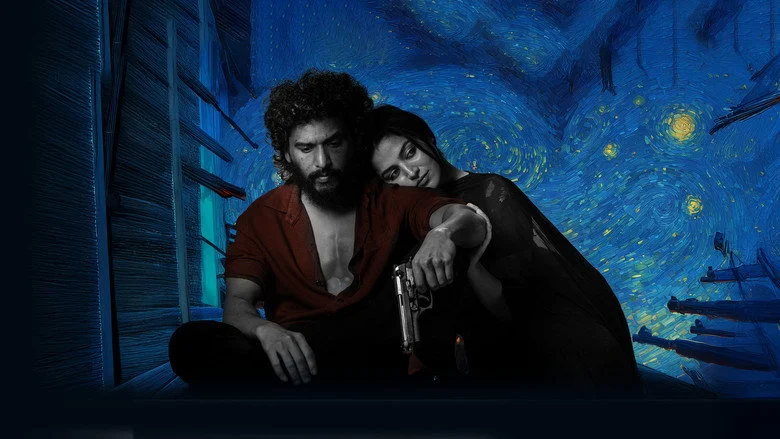
Genre Execution: Action Crime With A Romantic Pulse
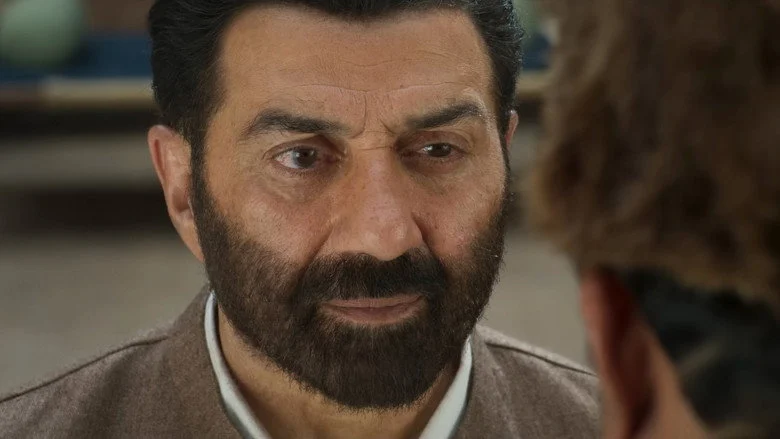
The action here is defined by its geography, claustrophobic alleys and crowded streets where the fight feels personal. The clash between the ruthless cop and the leads is staged as a game of cat-and-mouse, where every escape feels earned.
The romantic subplot between Devadas and Chandra is not a respite from the violence; it is the fuel for it. Their “shared madness and retribution” is the most praised scene from the trailer, and it lands because it feels like two damaged people finding a mirror in each other.
However, the film’s A certificate hints at a brutality that might alienate the casual multiplex crowd. This is genre filmmaking for the faithful, not the faint-hearted.
Wamiqa Gabbi and Sanjana Krishnamoorthy Anchor The Volatile Human Element
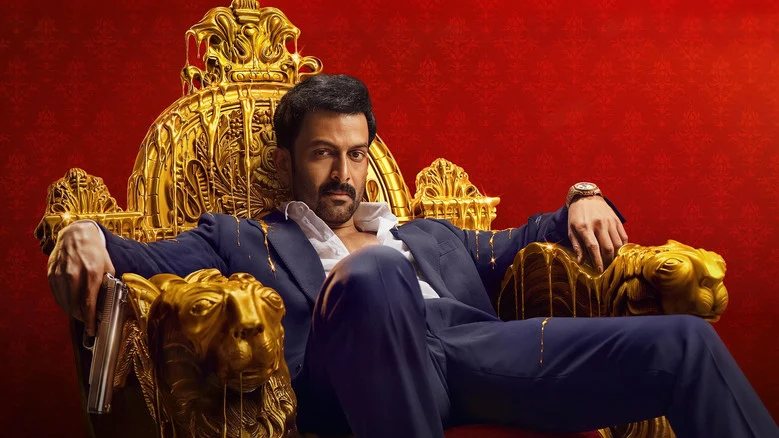
Wamiqa Gabbi as Chandra is the volatile core of the alliance. Her chemistry with Kanagaraj is built on friction rather than sweetness, which makes their partnership feel dangerous and unpredictable.
Sanjana Krishnamoorthy as Parvathi provides the film’s moral counterweight. In a world of grey morality, her presence signals the innocence that Devadas is fighting to protect, grounding the chaos in a semblance of stakes.
The Political Angle: A Censorship Verdict That Speaks Volumes
The CBFC’s decision to hand DC an A certificate is the film’s most telling political statement. It suggests the violence isn’t stylized or sanitized, it’s raw, and the authorities deemed it unfit for younger eyes.
This aligns with the film’s core theme of justice against police brutality, a subject that carries weight in the current socio-political climate. The censorship, in this case, might just be the best marketing the film could ask for.
For those who want to see how this fits into the larger landscape of Tamil cinema, browsing more Tamil Action reviews might provide context on where this sits in the genre’s evolution.
A Familiar Template Waiting For A Spark
DC is a film that knows its genre tropes, the outcast, the brutal cop, the protective instinct, and executes them with technical polish. Yet, the lack of available critical consensus suggests the film might be riding on the novelty of Kanagaraj’s casting more than its narrative ingenuity.
With a runtime of 150 minutes, the pacing will be the true test. If the middle section drags, the volatile alliance might not be enough to sustain the momentum.
Fans of Kanagaraj will find his debut compelling, but those seeking a fresh twist on the crime drama might leave wanting more. The film’s box office fate remains TBA, but the buzz around the casting is undeniable.
For a similar exploration of a familiar template waiting for a spark, Srinivasa Mangapuram review offers an interesting comparison.
DC is a theatrical experience best suited for fans of gritty action and Lokesh Kanagaraj’s specific brand of intensity. Go for the debut, stay for Anirudh’s score, and leave with the hope that the sequel finds a sharper script.
DC (2026) is a promising but uneven debut feature, a solid 3 out of 5 that shows a director’s eye but needs a writer’s patience. If you’re looking for a messy, comic delusion of a different kind, Bhai Tera verdict might scratch that itch.