Ranabaali (2026): Vijay Deverakonda’s Famine-Era Revolt Is All Horsepower, No Hunger

The Madras Famine of 1876–78 killed millions, and Rahul Sankrityan has chosen it as the backdrop for a Vijay Deverakonda star vehicle. That collision of catastrophe and spectacle is the entire wager of Ranabaali, and the film never quite decides which one it wants to be.
A Horseman Rides Into A Famine, And The Movie Looks Away
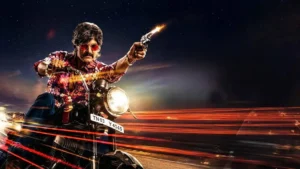
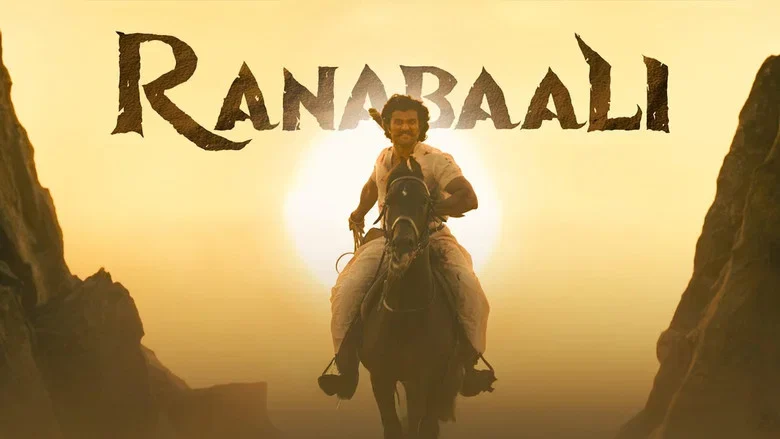
Sankrityan opens in the dust of Singanamala, where Ranabaali (Deverakonda) is introduced as a local fighter whose horsemanship is his entire social currency. The village is starving, the colonial administration is extracting grain, and the film keeps its camera trained on the hero’s shoulders rather than the empty bowls behind him.
That is the first real miscalculation. A famine narrative earns its rage through the specific texture of deprivation, cracked lips, rationed gruel, the arithmetic of who eats and who doesn’t, and Ranabaali treats hunger as set dressing for a rousing entrance.

When The Villain Is An Office, Not A Man
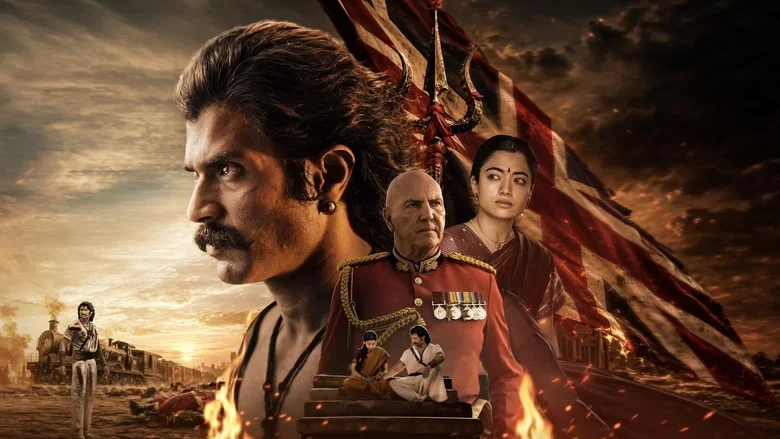
Arnold Vosloo’s Sir Theodore Hector is the film’s most interesting structural gamble. He is a commissioner, not a warlord, and his power lives in ledgers, requisition orders, and the quiet authority of a man who never has to raise his voice because the machinery behind him does the shouting.
Vosloo plays him with a clipped, administrative stillness, hands folded, gaze level, sentences finished before they begin. It’s a genuinely unnerving register, and for a stretch the film understands that the most frightening colonial figure is the one who signs.
But the screenplay can’t sustain that restraint. Hector is repeatedly dragged toward conventional villainy, and each time he’s asked to snarl, the performance loses the bureaucratic chill that made him worth watching. Just as the filmmaker behind Grey’s Anatomy Season 23 understands that institutional pressure grinds characters down over time, Sankrityan grasps this in theory and abandons it in practice.
Rashmika Mandanna Is Given Almost Nothing To Hold
Rashmika Mandanna’s Jayamma exists in the film’s opening movement as an emotional anchor, and then largely evaporates. She is asked to look worried, look proud, and look worried again, with almost no interior life granted between those beats.
The waste is conspicuous because Mandanna has already demonstrated an appetite for messier, more abrasive material. The character work she brings to Cocktail 2 suggests an actress who thrives on friction; here she is handed a decorative function and no friction at all.
Deverakonda, meanwhile, is doing what the film requires and not much more. His physical commitment to the horsemanship is real, there’s a low, grounded seat in the saddle that reads as trained rather than staged, but the performance runs on a single gear of stoic resolve. The transition from village protector to armed insurgent should be the film’s emotional spine, and it registers as a costume change.
The Action Is Loud, The Geography Is A Mystery
Sankrityan stages his confrontations with real width, letting horses and bodies occupy the frame rather than cutting them into confetti. There’s a mid-film skirmish in a dry riverbed that has actual spatial logic, and you can feel the director trusting the audience to track the field.
Then the climax arrives and the clarity collapses. The final confrontation is cut so tightly and lit so dimly that the geography of who is flanking whom dissolves into a wash of torchlight and shouting. The film wants the scale of a rebellion and the intimacy of a personal vendetta, and it achieves neither because the staging refuses to choose.
The score does the film no favors here. It arrives early, arrives loud, and never trusts a single moment of silence to do the work, the same instinct that sank the more bloated stretches of The Paradise, where volume substituted for pressure.
The Studio Bet And What’s Actually At Stake
Naveen Yerneni’s involvement places this squarely in the mid-budget Telugu period-action corridor, a lane that has become crowded as producers chase the crossover success of regional historical drama. The dubbed Hindi, Tamil, Malayalam, and Kannada versions signal a clear ambition to convert Deverakonda’s pan-India profile into theatrical footfall rather than OTT sampling.
That’s a real financial gamble. Deverakonda’s box-office leverage rests on urban youth appeal, and a famine-era anti-colonial drama asks that audience to sit through deprivation without the release valve of comedy or contemporary cool. The film’s commercial fate will hinge entirely on whether the mass action beats can carry audiences past the material’s grimness.
The broader question is whether this signals a sustainable appetite for period resistance narratives across contemporary Telugu actions, or whether the market has already absorbed its fill. Ranabaali does not make a persuasive case for more.
The Verdict: A Legend That Never Earns Its Legend
Ranabaali ends where it began, on the hero’s silhouette, without ever reckoning with the famine that supposedly forged him. The film wants to canonize Ranabaali as a legend of his people, but legends are built from consequence, and this one skips the ledger.
What lingers isn’t the uprising or the romance, but the nagging sense of a film that flinched. Sankrityan had the Madras Famine and a genuinely unsettling bureaucratic antagonist in his hands, and he traded both for a horse, a hero shot, and a drumbeat.

Ankit Jaiswal is the Chief Author, covering Indian cinema and OTT releases with honest, no-filler criticism. An SEO strategist by background, he brings a research-driven approach to film writing, cutting through hype to tell you exactly what's worth your time.
Related Movies & Releases