Irumudi (2026): Ravi Teja’s Emotional Shift Anchors A Family-Driven Action Drama

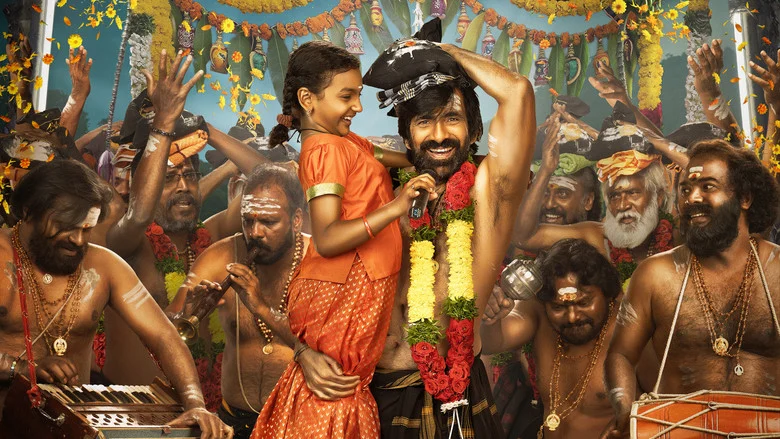
The most telling image in Irumudi isn’t an explosion or a chase. It’s Ravi Teja, mid-transformation, having just taken the ayyappa mala, carrying the weight of a promise he doesn’t fully understand yet. The father-daughter track with Baby Nakshatra becomes the film’s beating heart, and for once, the mass hero looks genuinely uncomfortable in his own skin.
That discomfort is the movie’s real currency. Shiva Nirvana’s script asks Ravi Teja to trade his usual kinetic energy for something slower, more introspective, and the shift is what makes Irumudi worth a watch for anyone tired of the standard template.
Ravi Teja’s Restraint Becomes the Film’s Strongest Weapon
There’s a specific moment when Ravi Teja’s character looks at his daughter and realizes the mala he’s wearing demands more than just ritual obedience. His eyes do the work that his dialogue usually handles, and it’s a welcome change from the actor’s typical loud, massy register.
The role reportedly demands more intensity than a standard commercial part, and he delivers it in the quiet stretches. The behavioral shift after the ayyappa mala isn’t just a plot point; it’s the actor recalibrating his entire screen presence, and that commitment carries the emotional arc.
I found myself wishing the film trusted this version of Ravi Teja more, especially in the second half where the action takes over.
Shiva Nirvana’s Direction Balances Family Drama With Action, But Not Without Flaws
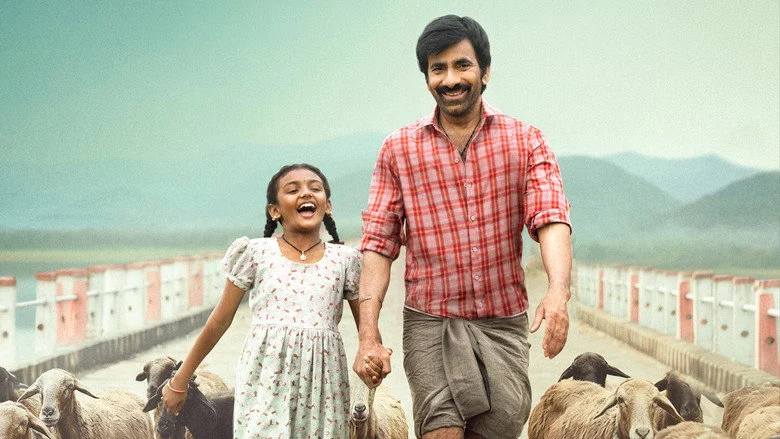
The director’s strength here is pacing. At 145 minutes, Irumudi feels controlled, a rarity for a multi-genre Telugu film that juggles family sentiment with action beats. Nirvana keeps the runtime tight, ensuring neither the emotional nor the commercial portions overstay their welcome.
However, the screenplay’s linear structure is both a blessing and a curse. It’s accessible, but it rarely surprises. The action sequences, while competent, don’t have a distinct visual identity, and the film’s middle section relies heavily on the father-daughter dynamic to keep momentum alive.
That said, the way Nirvana integrates the ayyappa mala setup into the character’s psychology is smart. It’s not just a costume change; it’s a narrative device that forces the lead to evolve, and that’s a director making choices, not just following formulas.
Genre Execution: Action Wrapped in a Family’s Emotional Core
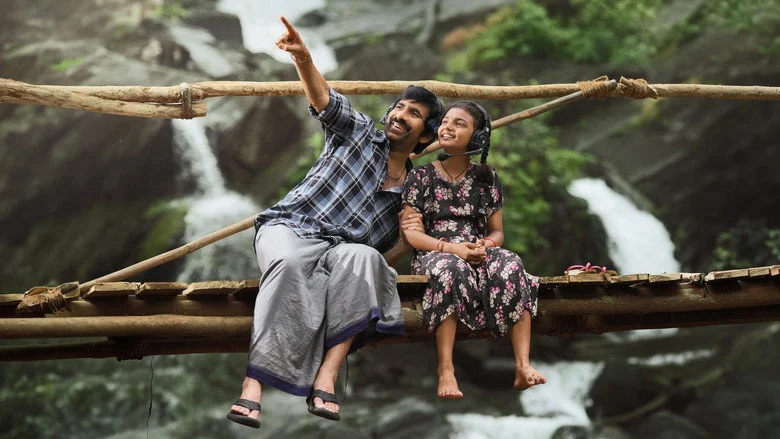
The action here isn’t about geography or choreography innovation. It’s about stakes rooted in family. The father-daughter relationship is the dramatic engine, and every fight feels like it’s protecting that bond rather than just showing off. The transformation after the ayyappa mala elevates the conflict from physical to moral, giving the punches a weight they wouldn’t otherwise have.
That said, the action sequences themselves are serviceable rather than spectacular. There’s no single setpiece that will be remembered in a year, but the emotional grounding ensures they never feel pointless. The U/A certificate suggests a moderation in intensity, which actually helps the film maintain its family-drama tone without jarring tonal shifts.
Ultimately, Irumudi works best when it stops trying to be an action film and embraces its identity as a character study. The mala isn’t a prop; it’s a catalyst, and the film’s best scenes are the ones where the lead is simply trying to reconcile his old self with his new responsibilities.
A Supporting Cast That Adds Depth Without Stealing the Show
Priya Bhavani Shankar and Swasika Vijay both have meaningful roles, though public breakdowns of their scenes are scarce. Their casting signals a deliberate effort to build a credible family unit around Ravi Teja, rather than just having female leads as romantic placeholders. Their presence gives the domestic scenes a lived-in quality.
Saikumar Pudipeddi and Ajay Ghosh are reliable anchors in their respective parts. Their experience shows in the way they hold their own against Ravi Teja’s more demonstrative performance. There’s a reported surprise-laden sequence involving the supporting cast that suggests the film has more up its sleeve than the trailer reveals, and that’s a smart way to keep the audience engaged.
Baby Nakshatra, as Ravi Teja’s on-screen daughter, is the real find here. Her chemistry with the lead is the film’s emotional anchor, and without her convincing presence, the entire ayyappa mala transformation would feel hollow.
Audience Reception and the U/A Certificate Question
With no box office data publicly available yet, the conversation around Irumudi is driven by early audience sentiment. The praise points are consistent: the lead actor’s emotional shift, the family-driven story, and the supporting cast’s surprises are all being highlighted. There’s no major controversy attached to the film, and the U/A certificate is the only censorship note, which suggests a film that’s mature but not gratuitous.
The audience seems to be responding to the film’s sincerity. It’s not trying to be a groundbreaking action epic; it’s trying to be a solid family drama with commercial elements, and that clarity of intent is showing in the early word of mouth.
For a film like this, the lack of a major critical consensus is almost a blessing. It allows viewers to form their own opinions based on the emotional core rather than a predetermined narrative.
If you’re a Ravi Teja fan tired of his usual mass avatar, or a family-drama lover looking for a mainstream film with heart, Irumudi is a safe bet. It won’t rewrite the genre, but it delivers exactly what it promises: a controlled, emotionally grounded action-drama. Watch it in a regular theater, where the family dynamics can breathe without the distraction of 3D gimmicks.
Irumudi is a sincere, well-paced family drama that earns its emotional beats, even if its action rarely rises above competent. It’s a solid 3 out of 5, worth your time for Ravi Teja’s restrained performance alone.
For more on how Telugu action dramas handle emotional weight, browse our Telugu Drama reviews.
Ravi Teja’s transformation here echoes the tense, character-driven approach seen in Khalifa Part review.
His performance shares a similar emotional register with the key stretches in Ananya s verdict.

Ankit Jaiswal is the Chief Author, covering Indian cinema and OTT releases with honest, no-filler criticism. An SEO strategist by background, he brings a research-driven approach to film writing, cutting through hype to tell you exactly what's worth your time.
Related Movies & Releases