Babita Singh Reporting (2026): Nimisha Sajayan Anchors a Restrained Crime Drama That Never Fully Ignites


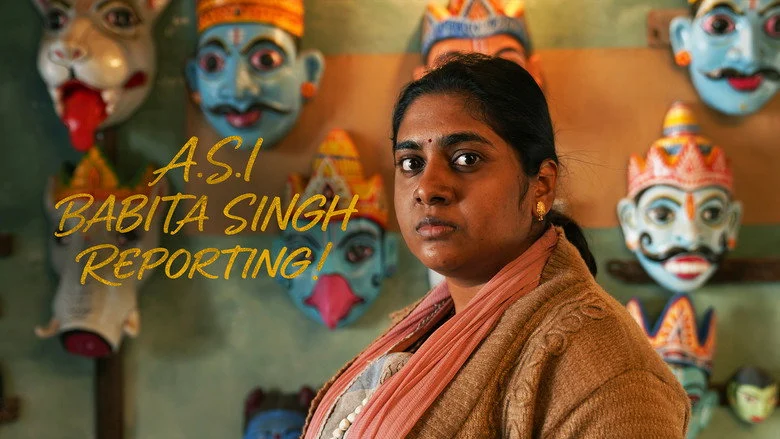
Nimisha Sajayan walks into the frame as Babita “Baby” Singh, a suspended officer already buckling under the weight of her in-laws’ expectations. The murder of her childhood friend Bansi pulls her back into a world she was told to abandon. Sajayan makes every ounce of that conflict visible.
She plays the people-pleasing cop with a quiet desperation that never tips into melodrama. Critics have repeatedly pointed to her as the single reason the film holds together when the mystery wobbles. She carries both the procedural and domestic strands with the same exhausted, determined energy. There is no scene where she feels like she is acting, she simply exists inside Baby’s cramped, judgment-filled world.
Ambiecka Pandit’s Direction Favors Character Over Plot
Director Ambiecka Pandit clearly wants this to be a woman’s story first and a murder story second. The screenplay, written by Amita Vyas, frames the investigation as inseparable from the patriarchy pressing down on Baby from every side. That choice gives the film its most distinctive texture.
But the mystery construction is the weak link. Multiple reviews called the plot predictable, and the middle stretch loses momentum as the procedural and marital threads compete for space. The tonal blend is ambitious but uneven, the film never quite decides whether it wants to be a sharp thriller or a slow-burn domestic drama. It tries for both and ends up diluted in the middle.
Genre Execution: A Restrained Crime Drama Without a Tight Grip
The film treats the murder of Bansi as an emotional engine rather than a puzzle box. Baby investigates while suspended, and her family pressures pile up alongside the clues. The genre work is intentionally restrained, no high-octane chases, no twist-heavy plotting. The suspense comes from watching Baby navigate a system and a household that both want her silenced.
That approach works when the film commits to it fully. The opening setup, where Baby is drawn back into the case despite her suspension, establishes the stakes cleanly. But the later investigation stretches thin, and the pacing falters as the domestic drama takes over. The mystery loses its edge precisely when it should tighten.
What remains consistent is the thematic seriousness. The film never pretends the murder is a standalone event, it is always tied to self-worth, marriage, and control. That clarity of purpose keeps the drama grounded even when the procedural logic slips. The film is a character study wearing a crime drama’s clothes, and it wears them loosely.
If this measured approach to crime interests you, browse more Hindi Drama reviews for similar takes on the genre.
Barun Sobti and the Ensemble: Anchors Without Arcs
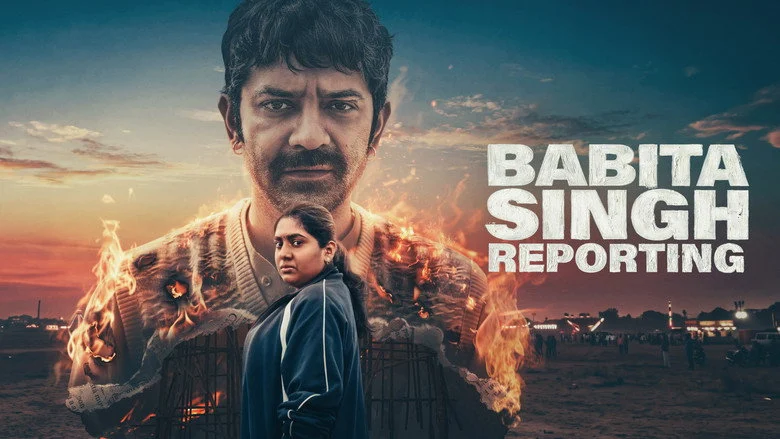
Barun Sobti’s Bansi functions as the emotional trigger for the entire investigation. His murder gives Baby a reason to defy her suspension and her family’s expectations. Sobti’s presence is felt mostly through absence, his character’s death haunts the narrative and gives Sajayan’s performance its urgency.
Rajesh Kumar and Anshumaan Pushkar are credited in pivotal roles, but the available coverage offers little detail on their specific contributions. Their casting signals a solid ensemble intent, even if the film’s focus remains squarely on its lead. The supporting cast supports, but this is unmistakably Sajayan’s film, everyone else orbits her gravity.
The Verdict Split: Critics Divided on the Mystery’s Value
The critical response is a study in contrasts. Times of India and Newsbytes both handed out 3.5/5, with the former calling it “A quiet, thoughtful investigation into patriarchy and self-worth” and the latter declaring “Prime Video delivers gripping crime-drama.” India TV and iDiva matched the 3.5/5 range, while MensXP swung hard the other way with 1.5/5, bluntly labeling it “The Worst Cop to Solve a ‘Murder’ Case.”
That split tells you everything about what this film is, and isn’t. If you value character texture over plot mechanics, Sajayan’s performance and the film’s thematic weight will carry you through. If you came for a tightly wound thriller, the predictable beats and uneven pacing will leave you restless.
There is no controversy here, no political firestorm, just a quiet OTT release on Amazon Prime Video that asks you to sit with a woman’s struggle. The audience reception mirrors the critics: praise for Sajayan’s lead turn and the feminist framing, frustration with the sluggish investigation. This is a film that trusts its lead actress to hold your attention, and she mostly does. I found myself wishing the screenplay trusted her just a little less and the mystery a little more.
Watch this for Nimisha Sajayan, who delivers a committed, layered performance that deserves a sharper vehicle. The film’s strengths are real but contained, the patriarchy theme lands, the domestic pressure feels lived-in, and the small-town setting is convincingly grounded. But the murder case at its center never develops the teeth it needs, and the pacing drags in the second half. If you like your crime dramas character-first and slow-burning, this will work. If you want a puzzle that snaps shut, look elsewhere. Stream it on Prime Video when you are in the mood for something reflective rather than gripping.
Babita Singh Reporting is a watchable but uneven crime drama, held together almost entirely by Nimisha Sajayan’s forceful presence, a solid 3 out of 5, worth your time for her alone, but not the investigative thriller its premise promises.
For a similar character-driven approach, check out Once More review.
And for another take on uneven narratives, see Beyond Ratings verdict.

Ankit Jaiswal is the Chief Author, covering Indian cinema and OTT releases with honest, no-filler criticism. An SEO strategist by background, he brings a research-driven approach to film writing, cutting through hype to tell you exactly what's worth your time.
Related Movies & Releases