Devil Wears Prada 2 Tops Streaming Charts as Franchise Crosses $1B

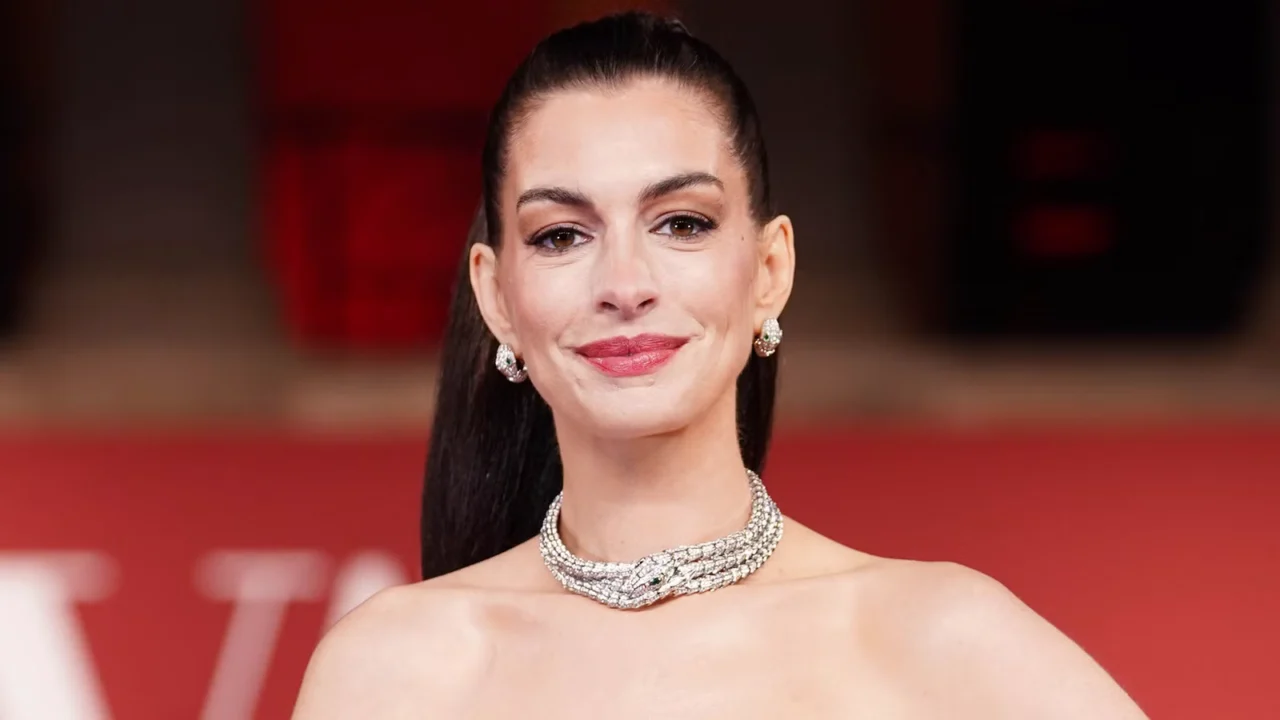
- The Scoop: The Devil Wears Prada 2 topped Nielsen’s U.S. movie-streaming chart after its July 29 debut on Disney+ and Hulu, pulling more than 885 million minutes watched.
- Franchise Milestone: The sequel’s reported worldwide gross of nearly $700 million pushed the Devil Wears Prada franchise past $1 billion across its lifetime.
- Streaming Muscle: The film drew 15.2 million global views in its first five days, described as Disney’s biggest live-action streaming debut since Deadpool & Wolverine.
The Devil Wears Prada 2 has conquered the streaming charts, topping Nielsen’s U.S. movie rankings for the July 27, August 2 window with more than 885 million minutes watched following its July 29 launch on Disney+ and Hulu. The sequel’s theatrical run, which reportedly grossed close to $700 million worldwide against a $100 million budget, pushed the Devil Wears Prada franchise past the $1 billion mark globally.
The numbers confirm what Disney’s distribution team wagered when it greenlit a two-decade-later sequel to a film that originally opened in 2006. Anne Hathaway’s return as Andy Sachs, alongside Meryl Streep’s Miranda Priestly, Emily Blunt’s Emily Charlton, and Stanley Tucci’s Nigel Kipling, gave the studio a four-quadrant asset that plays equally well in theaters and on living-room screens. That dual-platform muscle is now measurable, and it is substantial.
Nielsen Data Confirms a Streaming Event, Not a Quiet Catalog Drop
The 885 million minutes logged in a single measurement week places the sequel in rare air for a live-action Disney title. First-five-day global viewership reportedly hit 15.2 million, a figure the studio has positioned as its strongest live-action streaming debut since Deadpool & Wolverine. Those numbers matter because they validate the theatrical-first, streaming-second release model that Disney has leaned into across its recent slate, monitored closely across our theatrical release tracking.
What separates this from a routine catalog addition is the velocity. A 20-year-old franchise returning with its original core cast intact is a rare commodity, and the audience response suggests the property’s cultural footprint never fully faded. The sequel’s premise, which places Andy back at Runway as features editor while Miranda battles threats to her print empire, gave returning viewers a direct narrative bridge rather than a rebooted continuity.
Hathaway’s Dual 2026 Slate Reshapes Her Commercial Standing
Hathaway’s 2026 calendar now carries two major studio bets: this sequel and Christopher Nolan’s The Odyssey, where she appears in an ensemble led by Matt Damon. The combination gives her a commercial profile that spans prestige auteur filmmaking and mainstream franchise fare, a positioning that few actors in her generation currently hold. Her leverage in negotiations for future projects has almost certainly shifted upward.
The supporting cast remains a critical part of the equation. Streep’s Miranda Priestly is the franchise’s defining creation, and her willingness to return gave the sequel immediate credibility with the original film’s core demographic. Blunt and Tucci round out a quartet that has now anchored two commercially successful entries separated by two decades, a feat that speaks to the durability of the source material and the casting decisions made in 2006.
Disney’s Streaming Pipeline Gains a Proven Subscriber Driver
For Disney, the result is a case study in how theatrical exclusivity functions as a subscriber acquisition funnel. A film that draws nearly $700 million in global ticket sales generates months of cultural conversation before it ever reaches Disney+ or Hulu, and that conversation translates directly into sign-ups and reduced churn when the streaming window opens. The sequel’s performance suggests the strategy is working exactly as designed.
The broader market context matters here. As rival action franchises compete for theatrical real estate, as seen in releases like Toxic’s recent theatrical run, Disney’s ability to convert a mid-budget fashion-world drama into a billion-dollar franchise and a streaming chart-topper demonstrates the value of owning diverse genre lanes. The Devil Wears Prada sequel did not need superhero spectacle or franchise world-building to deliver results. It needed Hathaway, Streep, and a story that audiences already cared about, and that proved more than sufficient.

Ankit Jaiswal is the Chief Author, covering Indian cinema and OTT releases with honest, no-filler criticism. An SEO strategist by background, he brings a research-driven approach to film writing, cutting through hype to tell you exactly what's worth your time.
Related Movies & Releases