Once More (2026): A Grief-Soaked Romance That Trusts Its Silence

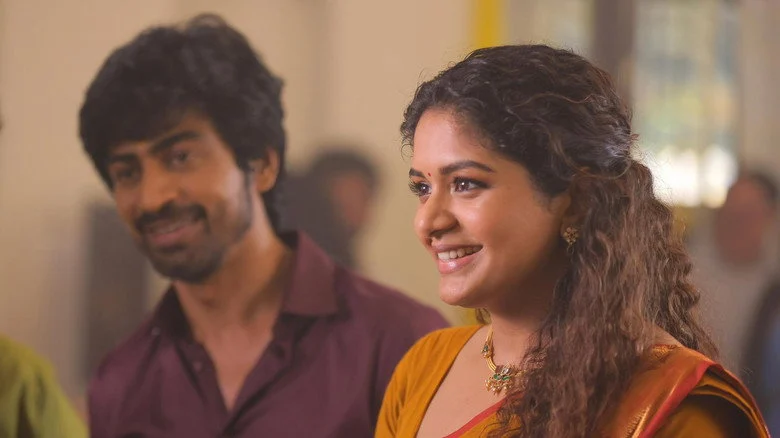
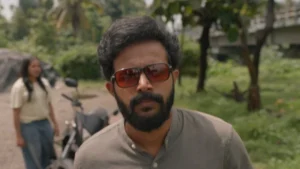
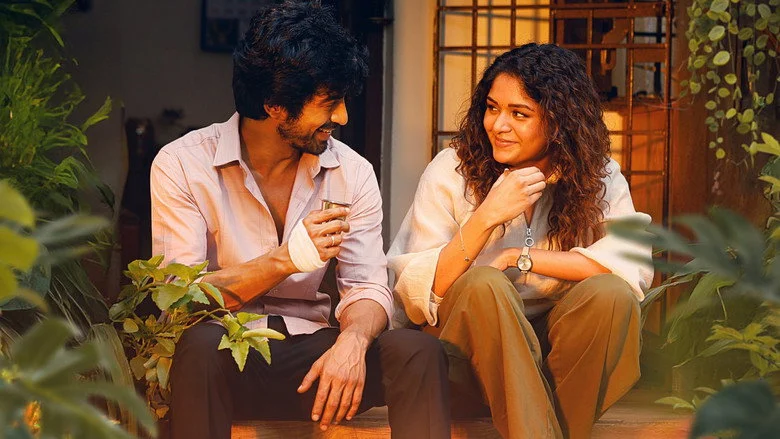
The opening passages of Once More find Raghu wrapped in a silence that feels heavier than dialogue. Arjun Das plays this grief-struck man with a closed-off physicality, and director Vignesh Srikanth wisely lets the camera observe rather than explain.
This is a Tamil romantic drama that understands something crucial: love stories work best when they earn their warmth. The film’s early rhythm is deliberately slow, almost meditative, as Anjali enters Raghu’s orbit and begins the slow work of dismantling his walls.
Arjun Das Carries the Weight of Unspoken Pain
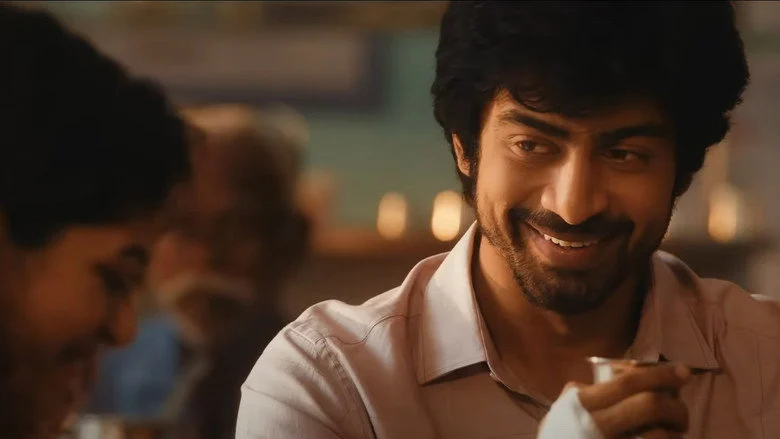
Arjun Das has built a career on intensity, but here he trades volume for restraint. His Raghu is a man who has retreated into himself, and Das communicates that withdrawal through small gestures, averted eyes, hesitant pauses, a body that physically recoils from connection.
The most praised passages are precisely these grief-centered scenes, where Das does more with a held breath than most actors manage in a monologue. It is a performance of interiority, and it anchors the film’s emotional stakes completely.
Aditi Shankar’s Persistence Becomes the Film’s Engine
Aditi Shankar’s Anjali is the counterweight to Raghu’s closure. She enters the narrative as a persistent presence, and Shankar plays that persistence without tipping into annoyance, a delicate balance that could have easily gone wrong.
Her sustained attempts to break through Raghu’s distance form the film’s central tension. The dynamic works because Shankar gives Anjali a quiet intelligence; she is not chasing a man, she is challenging his grief. That distinction matters.
Early reactions have positioned this pairing as the film’s emotional anchor, and the chemistry between Das and Shankar justifies that assessment.
The Genre Core: Romance as a Healing Process
Once More frames romance through recovery rather than courtship. The screenplay is linear, and it uses grief as the barrier to romantic resolution, a structure that gives the relationship arc genuine dramatic weight.
The first meeting between Raghu and Anjali after his period of mourning establishes the film’s visual and emotional language. Srikanth shoots these early encounters with distance, physically separating his leads in the frame to mirror their emotional disconnect.
The closing resolution ties love and closure together in a bittersweet knot. It is predictable in its beats, but the execution earns the sentiment because the film has invested in the process, not just the destination.
Supporting Cast and the Shape of the Ensemble
Dravid Selvam’s Ibrahim functions within the relationship’s support structure, and his presence signals the film’s interest in community as a healing force. Sona Olickal’s Indra Vasudevan and Anusha Prabhu’s Sara round out the emotional framework around the central pair.
Chitra Lakshmanan’s Paadhaga Lingam adds a touch of color to the proceedings. These supporting roles are not flashy, but their casting suggests a director who understands that grief narratives need witnesses, not just participants.
The film’s weakness lies in its stretched emotional beats. Certain passages feel extended beyond their dramatic utility, and the predictability of the arc will test viewers who prefer their romances with sharper edges.
This is a film that trusts its silences, and for those interested in how Tamil cinema is handling grief and second chances, there is plenty more to explore in our Tamil Romance reviews.
Reception and the Shape of Its Audience
Ramesh Bala’s early review offered a 4/5 rating, signaling strong initial confidence in the film’s emotional approach. The IMDb score of 6.2 suggests a more divided general audience, which is unsurprising for a romance this deliberately paced.
This is a film for viewers who appreciate character-driven storytelling over plot mechanics. Those expecting a high-action or villain-driven narrative will find little here, but audiences who respond to grief-centered romances will likely find themselves moved.
The film is positioned as a romantic musical, and Hesham Abdul Wahab’s background score provides the tonal glue. The music supports rather than overwhelms, letting the performances carry the emotional weight.
Once More is not a film that announces itself loudly. It asks for patience, and it rewards that patience with a genuinely felt conclusion. If you are in the mood for a romance that treats healing as seriously as it treats love, this is worth your time on a regular theatrical screen.
For those who connected with this film’s quiet approach to emotional recovery, Beyond Ratings review explores similar terrain in a different register.
Once More earns its bittersweet close with a 3.5/5 rating, a sincere, if uneven, meditation on love finding its way back through grief.
For another take on measured storytelling that trusts its audience, Sanjeev verdict offers a comparable patience.

Ankit Jaiswal is the Chief Author, covering Indian cinema and OTT releases with honest, no-filler criticism. An SEO strategist by background, he brings a research-driven approach to film writing, cutting through hype to tell you exactly what's worth your time.
Related Movies & Releases