Toy Story 5 Producer Talks Tech Complexity As Pixar Preps June 2026 Bow

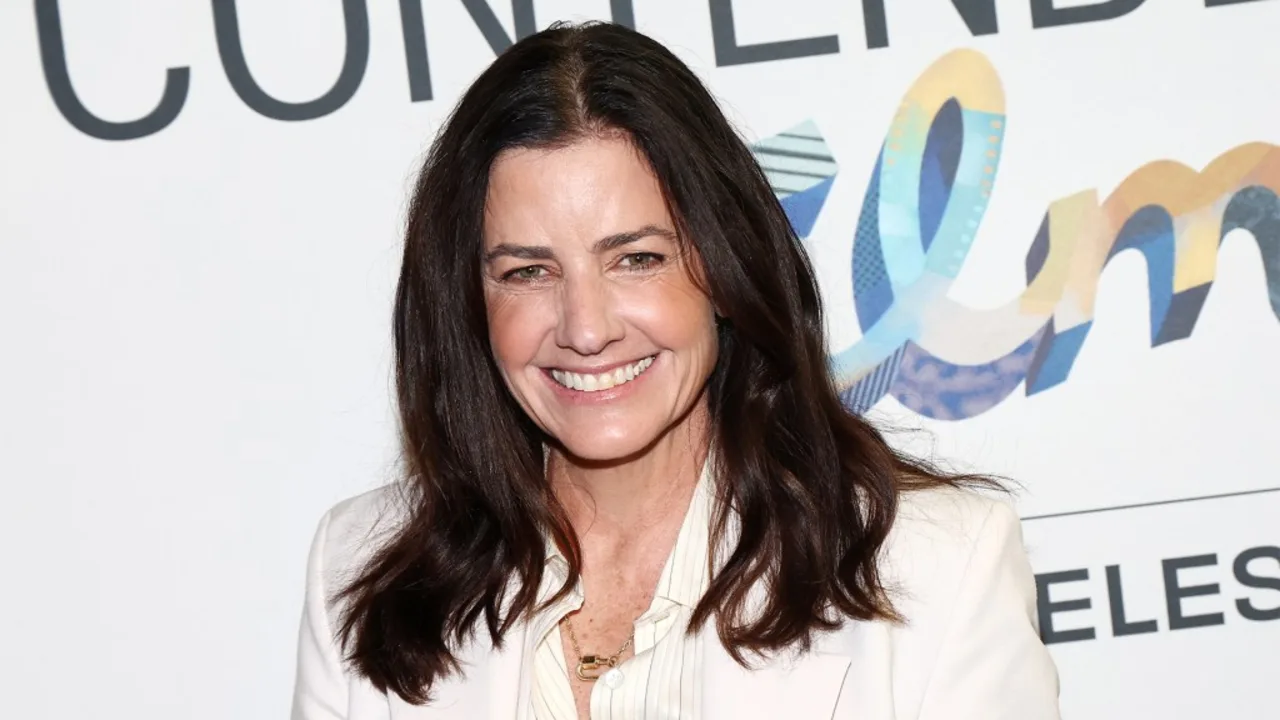
- The Scoop: Pixar’s Toy Story 5, directed by Andrew Stanton and co-director Kenna Harris, is locked for a June 19, 2026 theatrical release.
- Creative Bench: Producer Lindsey Collins returns alongside composer Randy Newman, with Tom Hanks, Tim Allen, Joan Cusack, and Tony Hale confirmed on the voice roster.
- Studio Stakes: The sequel follows Toy Story 4’s $1 billion-plus global haul and carries a reported $250 million production budget before marketing.
Toy Story 5 is officially set for a June 19, 2026 theatrical release, with Andrew Stanton directing and Kenna Harris serving as co-director. Pixar is betting its flagship franchise on a technology-versus-toys story built around a children’s smart tablet called Lilypad.
The production team is deep in the rendering trenches, and producer Lindsey Collins has been candid about the escalating technical demands of matching modern animation standards. Every strand of digital hair and fabric simulation now carries a computational cost that the original 1995 film could never have anticipated.
Rendering Muscle: Why Pixar’s Toolchain Is The Real Star Of This Sequel
Pixar’s proprietary animation pipeline has expanded dramatically since the first Toy Story rendered its 114,240 frames on a farm of 117 Sun SPARCstations. The studio now develops bespoke tools for individual characters, a level of granular investment that separates its output from rival animation houses.
Stanton and Harris are orchestrating a production that must balance nostalgic character design with contemporary visual fidelity. The co-director pairing signals Pixar’s intent to bring fresh directorial perspective to a franchise Stanton has steered since 1999’s Toy Story 2.
The technology-versus-toys premise gives the animation team a dual canvas: organic textures for the legacy characters and sleek surfaces for the Lilypad device. That contrast is a rendering showcase disguised as a family comedy, and Pixar knows exactly how to sell it.
Calendar Leverage: Why June 19 Is A Strategic Bullseye For Disney
June 19, 2026 lands on the Juneteenth holiday and anchors Father’s Day weekend, a corridor that historically rewards four-quadrant family titles. Disney is positioning the sequel to dominate the summer frame before any rival animated offering can establish footing.
The release strategy mirrors the studio’s playbook of locking premium summer real estate years in advance, freezing out competitors and maximizing premium-format screens. That calendar discipline is monitored closely across our theatrical release tracking as studios finalize their 2026 slates.
Toy Story 4 crossed $1 billion worldwide in 2019, and the franchise had generated more than $3 billion globally across its first five films. The new installment carries a reported $250 million production budget, excluding global marketing spend, which sets a steep theatrical breakeven threshold.
Voice Cast And Franchise Economics: The Balance Sheet Behind The Nostalgia
Tom Hanks returns as Woody, Tim Allen as Buzz Lightyear, Joan Cusack as Jessie, and Tony Hale as Forky, a lineup that reassures core audiences while the Lilypad premise courts younger viewers. Randy Newman is back for his fifth Toy Story score, extending one of the longest composer-franchise partnerships in animation.
Collins, a Pixar veteran producer, is steering a production whose commercial weight extends well beyond the box office into consumer products and theme-park synergy. Contrasting with contemporary genre experiments that chase adult audiences, this sequel is engineered for repeat family viewings across the summer.
The teaser campaign’s “Toy Meets Tech” framing signals a marketing push that will lean hard on the smartphone-era anxiety parents recognize instantly. Every rendering upgrade and toolchain investment feeds directly into that pitch, translating technical ambition into a premium theatrical event.
With a $250 million negative cost and a holiday-anchored opening frame, the film’s profitability hinges on sustained playability through July and August. Pixar’s real bet is that the technology story on screen justifies the technology story off screen, and that families show up twice.

Ankit Jaiswal is the Chief Author, covering Indian cinema and OTT releases with honest, no-filler criticism. An SEO strategist by background, he brings a research-driven approach to film writing, cutting through hype to tell you exactly what's worth your time.
Related Movies & Releases