Magnolia Pictures To Qualify ‘Just Look Up’ For Oscars: Michael Greenberg Doc

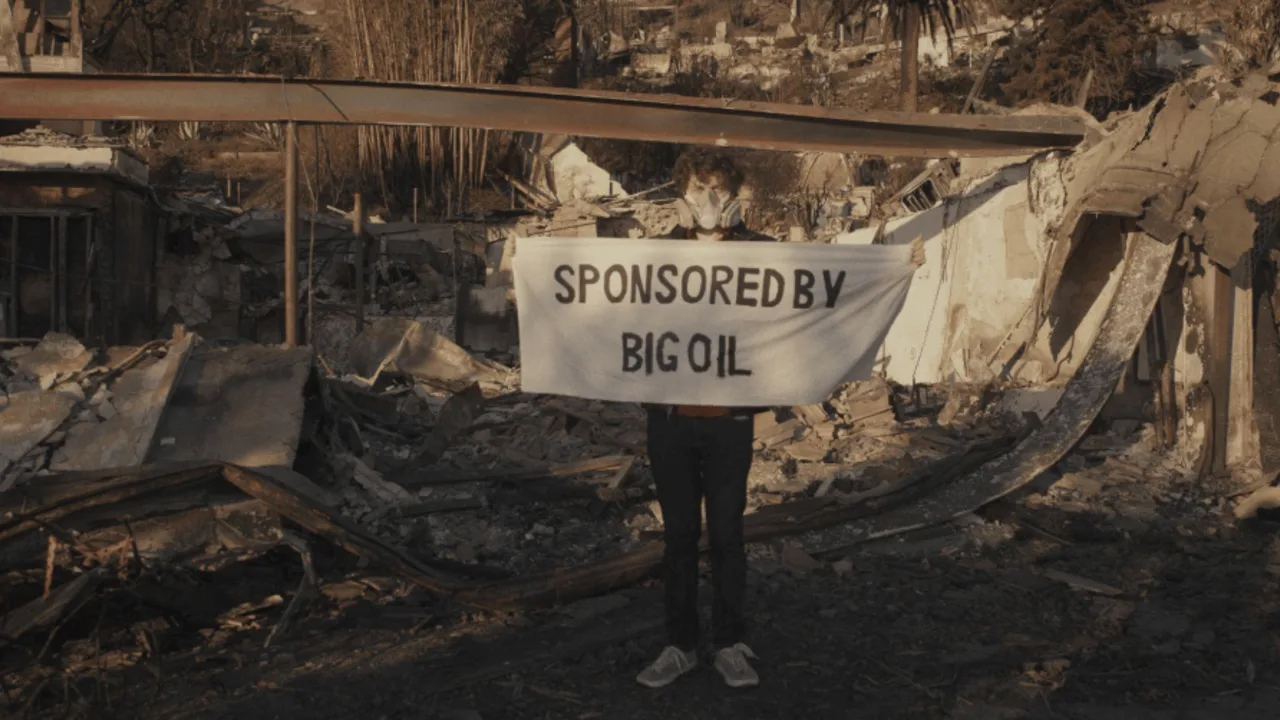
- The Scoop: Magnolia Pictures is mounting an Academy Awards qualification run for Just Look Up, the Emma Wall and Betsy Hershey documentary on Climate Defiance founder Michael Greenberg.
- Festival Launchpad: The 94-minute U.S./Denmark co-production premiered in CPH:DOX’s F:ACT competition in March 2026 before courting Academy voters.
- Producer Muscle: Adam McKay and Joshua Oppenheimer sit among executive producers, with Oscar-nominated producer Signe Byrge Sørensen backing the project.
- On-Camera Firepower: Ro Khanna, Pramila Jayapal, Jamaal Bowman, Summer Lee and Zohran Mamdani appear in the film.
Magnolia Pictures is steering Just Look Up into the Oscar race, qualifying the Emma Wall and Betsy Hershey documentary about Climate Defiance founder Michael Greenberg for Academy consideration.
The 94-minute U.S./Denmark co-production lands in a nonfiction field already crowded with activist portraits, making the distributor’s awards push a test of whether disruptive protest footage can outdraw prestige biography.
Protest Footage Over Studio Artifice: Inside the Observational Shoot
Wall and Hershey built the film as an observational portrait rather than a narrated lecture, embedding with Greenberg and his youth-led movement through nonviolent direct action against fossil-fuel executives and elected officials.
That means the directors carried cameras into the physical reality of demonstrations, congressional pressure campaigns and street-level confrontations, a production model where access, not green-screen control, dictates what makes the final cut.
The film also tracks Greenberg’s stand-up sets and his personal life, threading Jewish and queer identity through the movement organizing. That dual lens gives Wall and Hershey a character study inside a political chronicle.
CPH:DOX slotted the project into its F:ACT competition in March 2026, a launchpad that hands documentary buyers a festival pedigree before any qualifying theatrical run begins.
McKay’s Fingerprints and a Title Built to Provoke
Adam McKay’s executive producer credit carries obvious commercial weight: his 2021 climate satire Don’t Look Up became a Netflix phenomenon, and the new title deliberately echoes it as a knowing wink to that audience.
Joshua Oppenheimer, the Oscar-nominated director of The Act of Killing, joins McKay at the executive level, while Signe Byrge Sørensen, a producer with Academy recognition of her own, lends the project documentary-establishment credibility.
The on-camera roster of Khanna, Jayapal, Bowman, Lee and Mamdani positions the film inside the progressive electoral machinery it documents, giving political-news consumers a reason to buy tickets beyond the festival circuit.
Greenberg himself arrives without any theatrical box-office history, his profile rests on Climate Defiance’s campaigns and his comedy work, not on franchise grosses or opening-weekend math.
That absence of star-driven commercial data shifts the entire burden onto the awards corridor, where a qualifying run functions as the marketing engine rather than a conventional wide release.
Qualifying Theatrical Windows and the Nonfiction Awards Math
An Oscar-qualification rollout is a deliberately narrow theatrical play: a short exclusive engagement in key markets generates the Academy-eligible screenings and review coverage that feed voter screeners later in the cycle.
For Magnolia, that window doubles as a visibility funnel, the same theatrical footprint that satisfies Academy rules also seeds the streaming and VOD launch that follows, converting awards headlines into subscriber and rental activity.
Tracking the documentary field across our trade entertainment wire desk shows how crowded the qualification calendar becomes each fall, with distributors jockeying for the same handful of prestige venues.
The film’s awards viability sits apart from the fictional-release churn monitored in contemporary genre releases, where opening-weekend grosses decide a title’s fate within days rather than months.
Magnolia’s bet is that McKay’s name recognition, a provocative title and a charismatic central figure can cut through a documentary race that rewards exactly that combination.
Every week of qualifying screenings carries real print-and-marketing burn for a distributor operating without a nine-figure release budget, so the campaign’s length will be calibrated tightly to early voter response.
The upside is outsized: a nomination converts a 94-minute activist portrait into a mainstream streaming draw, and that downstream revenue, not the qualifying-week box office, is where the balance sheet ultimately settles.

Ankit Jaiswal is the Chief Author, covering Indian cinema and OTT releases with honest, no-filler criticism. An SEO strategist by background, he brings a research-driven approach to film writing, cutting through hype to tell you exactly what's worth your time.
Related Movies & Releases