Hi! (2026): Nayanthara and Kavin’s Romantic Drama Suffers From Familiarity

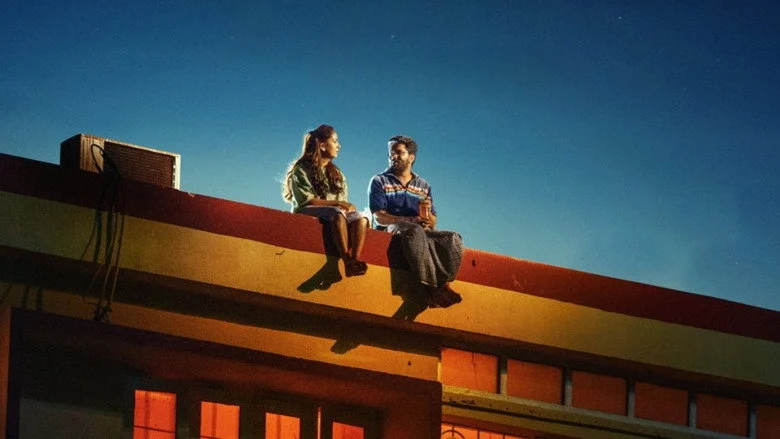
Nayanthara walks into frame with the kind of quiet authority that has defined her post-2015 career arc, but Vishnu Edavan’s romantic drama gives her little to push against. The central conflict, a hopeless romantic fighting to win love, feels like a template waiting for a pulse.
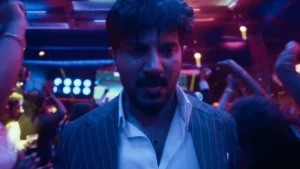
Kavin, as the pursuing lover, brings earnest energy but the screenplay keeps him in a loop of repetitive gestures. The chemistry between the leads is present but undercooked, never reaching the emotional turning points the genre demands.
Kavin’s Earnestness Can’t Mask the Writing’s Repetition
Kavin commits fully to his role, throwing himself into every scene with visible conviction. His best moment arrives when his character’s desperation peaks and he delivers a monologue that momentarily cuts through the film’s haze.
But the script gives him nowhere to go after that. The character arc stalls, and the actor is left repeating variations of the same emotional beat until the climax feels earned only by default.
The Romantic Drama’s Genre Mechanics Fall Flat
Romantic dramas live or die on the credibility of their emotional beats, and Hi (2026) struggles to make its central pairing feel inevitable. The screenplay introduces conflict through external obstacles rather than organic character friction, which drains the romance of genuine stakes.
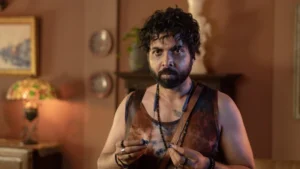
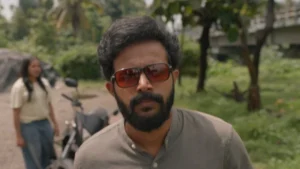
The supporting cast, K. Bhagyaraj, Poornima Bhagyaraj, Prabhu, and Raadhika Sarathkumar, arrive with the weight of veteran presence, but their scenes play like cameos in service of a plot that doesn’t know what to do with them. FEFSI Vijayan and Renji Panicker add texture to the margins without ever becoming integral.
What the film does capture well is the texture of Tamil family life, the warmth of domestic spaces where love is negotiated through unspoken rules. It’s just not enough to sustain a two-hour runtime when the central pair’s journey feels this rehearsed.
For more on Tamil romantic dramas and their evolving storytelling patterns, browse our Tamil Drama reviews for deeper analysis of the genre’s current landscape.
Veteran Cast Elevates Thin Material, But Only Briefly
K. Bhagyaraj and Poornima Bhagyaraj bring a lived-in quality to their brief appearances, grounding the film in a generational perspective it desperately needs. Raadhika Sarathkumar’s single confrontation scene carries more dramatic weight than any moment between the leads.
VTV Ganesh and Sathyan provide the comic relief, but their bits feel disconnected from the film’s emotional core. The casting signals an ambition to create a family saga, yet the writing never commits to that scale.
A Familiar Formula With Modest Box Office Returns
The film opened to a modest Rs 1.44 crore India net on day one, as reported by Sacnilk via India TV News, with the Tamil version contributing about Rs 1.32 crore across 786 shows at roughly 36% occupancy. Those numbers tell the story of a film that audiences didn’t feel urgent about catching in theaters.
There’s no political controversy or production drama attached to Hi (2026), which is almost refreshing in an industry that thrives on noise. The silence around the film is itself a statement, this is a release that neither excited nor offended anyone enough to generate conversation.
The film’s target audience is narrow by design: fans of the leads and committed romantic drama viewers. For everyone else, the predictable beats and lack of narrative invention will feel like a test of patience rather than an invitation to feel.
Verdict: A Competent But Forgettable Romance
I found myself checking the runtime more than once, which is rarely a good sign for a genre built on emotional immersion. Hi (2026) is the kind of film that plays fine on a lazy Sunday afternoon but evaporates from memory within a week.
Watch it for Nayanthara’s screen presence and the veteran supporting cast, but adjust expectations accordingly. The regular theatrical format is fine, though this is ultimately a streaming movie that got a theatrical release.
Hi (2026) is a passable romantic drama that never justifies its own existence, a film that earns a generous 2 out of 5 for its performances, but loses points for a screenplay that mistakes repetition for emotional depth.
If you’re drawn to Nayanthara’s screen presence, her work here shares a similar register with Awarapan 2 review‘s familiar crime drama beats.
For more on how familiar formulas play out across Indian cinema, check Aryabhatt Ka verdict and its underdog narrative structure.

Ankit Jaiswal is the Chief Author, covering Indian cinema and OTT releases with honest, no-filler criticism. An SEO strategist by background, he brings a research-driven approach to film writing, cutting through hype to tell you exactly what's worth your time.
Related Movies & Releases