Unmadham (2026): The File Nobody keeps the film tense but uneven overall


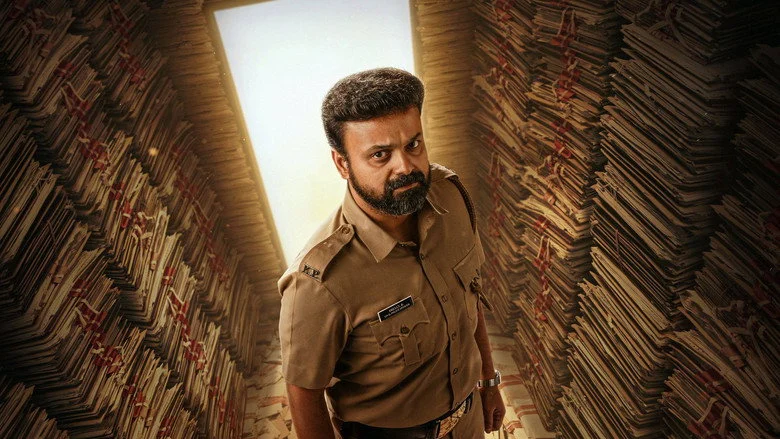
The police station is quiet until someone mentions the file. Officers who have never seen it know its reputation, that touching it invites disaster, that opening it changes lives. Shelly, a constable played by Kunchacko Boban, doesn’t have the luxury of avoidance. He wants a transfer, and this neglected cold case is his ticket out.
That premise, a cursed file that the entire station avoids, is the strongest hook in Kiran Das’s Unmadham, a Malayalam psychological thriller that understands the power of institutional rumor. The film builds its suspense not through action but through the simple, chilling question: why is everyone afraid of the file?
Kunchacko Boban Carries the Weight of a Man Breaking
Boban’s Shelly is a constable under siege from two directions. At work, he’s handed a case no one wants to touch. At home, his wife pressures him to move out of government quarters, making the transfer request feel less like ambition and more like survival.
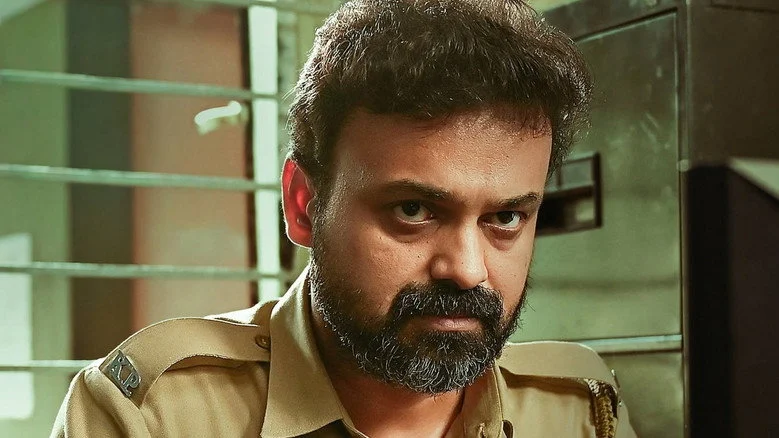
Boban plays the unraveling with restraint, the paranoia creeps in slowly, through small glances and hesitations rather than melodrama. His performance anchors the film’s investigative spine, making the psychological deterioration feel earned. This is a lead actor holding a thriller together while his character falls apart.
Superstition as a Genre Engine
Unmadham makes a bold choice: the antagonist isn’t a person but a belief. The cursed file is treated as genuinely dangerous, and the officers’ avoidance of it becomes the film’s central tension. It’s a refreshing inversion of the typical procedural setup, where evidence is pursued rather than feared.
The domestic scenes add a second layer of pressure. Shelly’s wife, played by Lijomol Jose, doesn’t understand why her husband is suddenly obsessed with a case everyone else avoids. Her frustration becomes his motivation, and the film smartly uses this personal strain to widen the investigation’s emotional stakes.
As the investigation deepens, the case starts to feel less like a puzzle and more like a destabilizing force. The film leans into paranoia rather than simple case-solving, framing the investigation as a process that breaks the investigator. It’s a choice that sets Unmadham apart from routine police procedurals, even if the execution occasionally stumbles.
The Supporting Cast Builds a Believable Station
Lijomol Jose does more than play the nagging wife, she grounds the film’s personal stakes. Her demand to leave the quarters isn’t just domestic friction; it’s the engine that pushes Shelly toward the cursed file. Without her pressure, the premise collapses.
Kottayam Nazeer’s ISHO Sathyajith and Sudheesh’s SI fill out the police hierarchy with the kind of institutional weariness that makes the station feel lived-in. Sabumon Abdusamad’s DYSP adds procedural weight, while Siddique’s presence in the ensemble signals the film’s intent to operate within a credible police framework. These are character actors who understand that a thriller lives or dies on the believability of its institutional setting.
Raina Radhakrishnan’s Keerthana appears to be positioned as a potential entry point into the case’s darker implications, though the available material doesn’t specify her exact function in the investigation.
A Promising Premise That Doesn’t Fully Deliver
Unmadham’s greatest strength is its concept, a cold case wrapped in superstition, investigated by a man who needs it solved for personal reasons. The trailer-driven setup of the feared file was the most positively highlighted element in early coverage, and for good reason. It’s a hook that promises psychological depth rather than routine detection.
But the film’s second half appears to intensify into psychological unraveling without a clearly identified villain or a documented climax payoff. The absence of a named antagonist means the film must sustain tension through atmosphere alone, and whether that sustains across a 2-hour-21-minute runtime remains the open question. The screenplay follows a linear investigative progression, but without verified critical consensus on the ending, the film’s resolution feels like an unknown variable.
I found myself wishing the film trusted its cursed-file premise even more, the moments where officers discuss the file’s reputation are more gripping than the procedural scenes that follow them.
The Verdict: A Watch for Patient Thriller Fans
Unmadham is a film built on a genuinely intriguing idea, anchored by a committed Kunchacko Boban performance and a police-station atmosphere that feels authentic. The cursed-file premise is strong enough to recommend to fans of psychological thrillers who don’t need action-heavy pacing.
But viewers expecting a conventional crime drama with a clear villain and a tidy resolution may find the film’s ambiguity frustrating. This is a thriller that prioritizes paranoia over payoff, atmosphere over answers. Watch it for Boban’s controlled unraveling and the film’s willingness to treat superstition as a legitimate investigative obstacle.
For more Malayalam thriller reviews, browse our ongoing coverage of the genre’s best and most challenging entries.
Unmadham is a tense, atmospheric thriller with a superb central performance, but its uneven second half and unresolved antagonist keep it from greatness, a solid 3 out of 5.
If you appreciated the police-procedural tension here, Sudesha review offers a similarly uneven but ambitious thriller experience.
For another take on psychological crime drama, Arjunan Per verdict explores comic despair within a crime framework.

Ankit Jaiswal is the Chief Author, covering Indian cinema and OTT releases with honest, no-filler criticism. An SEO strategist by background, he brings a research-driven approach to film writing, cutting through hype to tell you exactly what's worth your time.
Related Movies & Releases