Main Vaapas Aaunga (2026): Imtiaz Ali returns with a beautiful yet flawed Partition romance

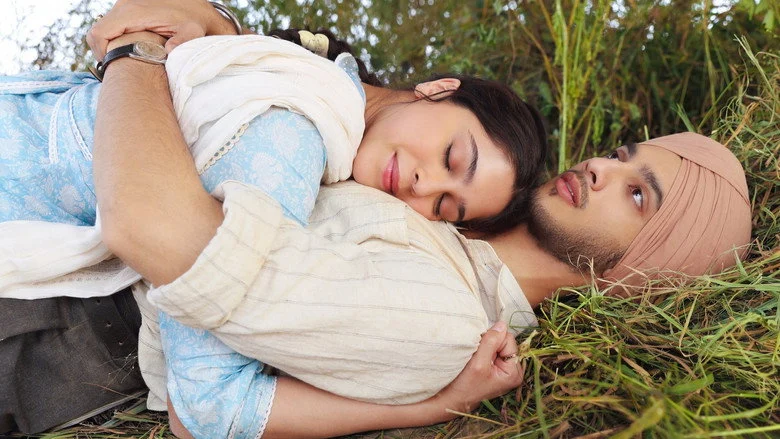
An old man on his deathbed mutters about returning home. His grandson, Nirvair, leans in close, trying to decode fragments of a life shattered by Partition. In this opening image, Main Vaapas Aaunga signals its ambition, but also its runtime problem.
Diljit Dosanjh brings quiet dignity to a thankless role
Diljit Dosanjh plays Nirvair with minimal dialogue and maximum restraint. His scenes watching Naseeruddin Shah’s tremors are the film’s emotional anchor. The grandson’s investigation propels the narrative, but Dosanjh is often reduced to reacting rather than driving the plot.
His best moment comes when he discovers Afsana’s photograph in an old trunk, his silence speaks louder than Rahman’s score ever could. For a performer of his range, the part feels underwritten.
Imtiaz Ali’s direction is heartfelt but the screenplay drags
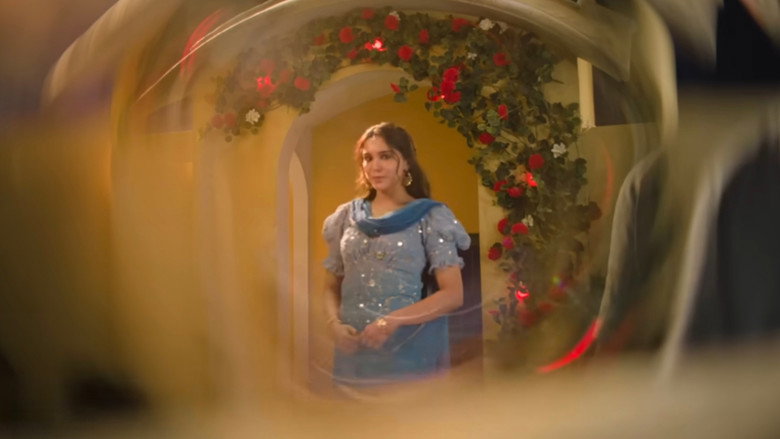
Ali returns to his signature old-school romance with obvious affection for the material. The flashback sequences are visually gorgeous, warm golden tones for 1947 Punjab, cold muted greys for the present. However, the non-linear structure occasionally disrupts the emotional flow.
The screenplay, co-written with Nayanika Mahtani, relies heavily on the “Main vaapas aaunga” promise. One specific flaw: the transition between timelines feels abrupt in the first hour, leaving the audience stranded between two worlds without a clear emotional bridge.
Genre-core execution: Romantic drama that leans on tragedy
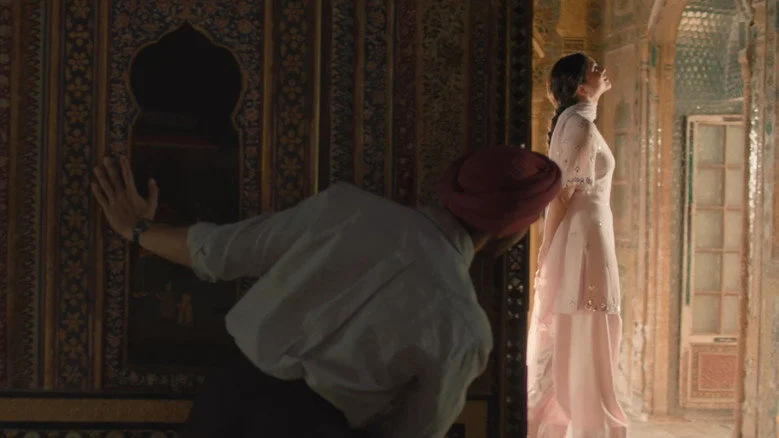
As a romantic drama, the film lives and dies on the chemistry between young Ishar (Vedang Raina) and Afsana (Sharvari Wagh). Their first stolen glances in pre-Partition Punjab are tender and unforced. The period recreation feels authentic, with every detail, from turbans to village lanes, painstakingly built.
The separation scene during the 1947 riots is the film’s most choreographed setpiece. Bodies scramble, chaos erupts, and Ishar screams “Main vaapas aaunga” before being swallowed by the crowd. Rahman’s background score swells but never overwhelms the raw panic.
The climax revelation, Afsana died waiting for Ishar, lands with both emotional force and predictability. I was moved, but also aware that the film had signposted this moment from its first frame. The 2-hour-46-minute runtime feels excessive for a plot that could have been trimmed by twenty minutes in the middle act.
Sharvari Wagh and Vedang Raina carry the past timeline
Sharvari Wagh portrays Afsana’s enduring hope and sorrow with grace. Her eyes carry the weight of a woman who spends a lifetime waiting, she does more with a single glance than many actors do with dialogue. Vedang Raina captures young Ishar’s youthful passion convincingly, though his performance occasionally leans into earnest melodrama.
Sayani Gupta appears in a supporting role but is given little to do. Her character feels like a placeholder for a subplot that never materializes. Naseeruddin Shah, as the elderly Ishar, delivers the physical tremors and confusion of dementia with subtle realism. His final scene, receiving closure before death, is the film’s most devastating moment.
Audience reception: Heartbreaking ending divides viewers
The film holds a 92% critic rating on Rotten Tomatoes, with praise for Shah’s performance and Rahman’s music. However, audience complaints focus on the slow middle section and the flashback’s disconnection from the main narrative. Some viewers found the tragic ending too heartbreaking, while others called it inevitable. The film has been declared a hit by trade analysts, though specific box office figures remain undisclosed.
For those who enjoy this kind of Partition-era romance, Hindi Drama reviews offer plenty of similar emotional journeys.
Verdict: A beautiful but baggy love letter to unresolved longing
Main Vaapas Aaunga works best as a mood piece, a meditation on memory and loss that doesn’t rush to conclusions. Watch it for Naseeruddin Shah’s performance and AR Rahman’s score, preferably in a theatre where the music can fully envelop you. But bring patience; the middle act tests it sorely.
If you appreciated Imtiaz Ali’s handling of generational regret here, you might find similar emotional terrain in Swechha Teeram review.
Main Vaapas Aaunga earns 3.5 stars out of 5, a deeply felt romance that overstays its welcome but never betrays its heart.
For a lighter but equally craft-driven experience, explore the narrative energy of Cocktail 2 verdict.

Ankit Jaiswal is the Chief Author, covering Indian cinema and OTT releases with honest, no-filler criticism. An SEO strategist by background, he brings a research-driven approach to film writing, cutting through hype to tell you exactly what's worth your time.
Related Movies & Releases