Maximum Pleasure Guaranteed Renewed for Season 2 at Apple TV

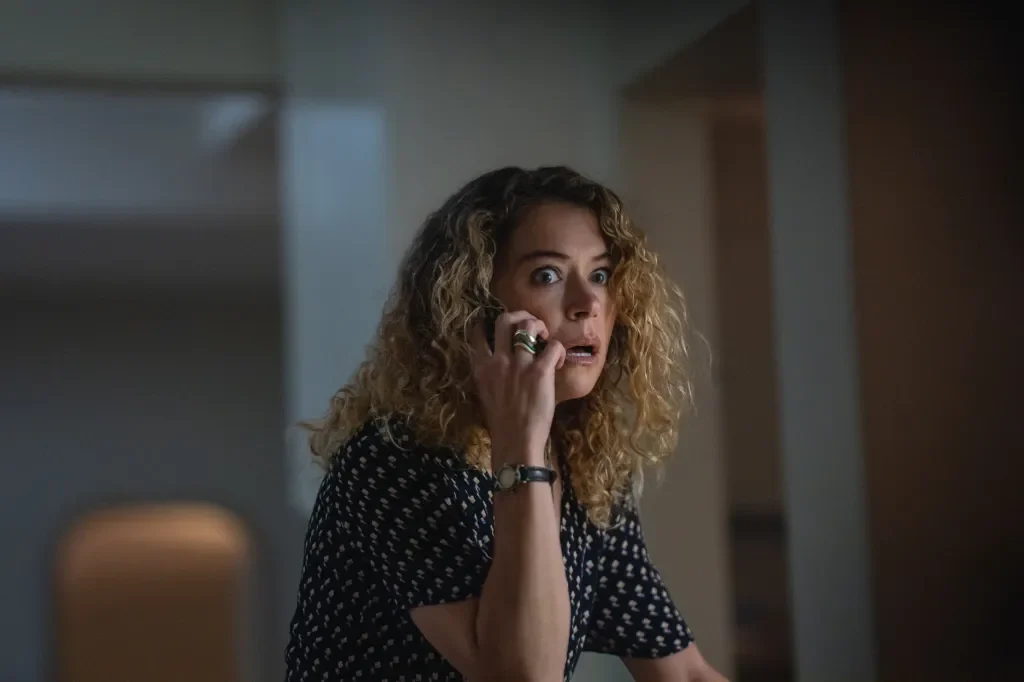
- The Scoop: Apple TV has handed a Season 2 renewal to its darkly comedic thriller Maximum Pleasure Guaranteed, with the writers’ room already staffed and cameras set to roll in the first half of 2027.
- Creative Engine: Creator David J. Rosen returns alongside executive producers David Gordon Green, Simon Kinberg, Audrey Chon, and Bard Dorros, with Apple Studios and Counterpart Studios backing the production.
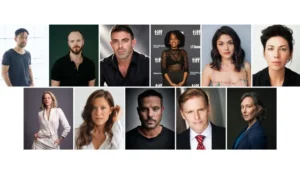
- Star Wattage: Emmy winner Tatiana Maslany anchors the series as Paula Sanders, supported by Jake Johnson, Dolly de Leon, Murray Bartlett, and Brandon Flynn in a densely packed ensemble.
Apple TV has formally renewed Maximum Pleasure Guaranteed for a second season, locking in a writers’ room that is already operational and a production start scheduled for the first half of 2027. The pickup arrives as the streamer doubles down on its darkly comedic thriller slate, keeping creator David J. Rosen’s custody-battle-gone-wrong narrative in active development rather than parking it behind a prolonged hiatus.
The renewal signals sustained platform commitment to a title Apple commissioned at ten episodes for its debut run, which launched globally on May 20, 2026, with a two-episode drop followed by weekly installments through July 15. That staggered rollout pattern gave the series a three-month footprint on the service, a scheduling choice that maximizes subscriber engagement windows rather than burning episodes in a single binge weekend.
Tatiana Maslany Anchors a Cast Built for Genre Crossfire
Maslany leads as Paula Sanders, a recently divorced woman whose custody fight with ex-husband Karl spirals into blackmail, murder, and youth soccer. The Emmy winner’s casting gives Apple a prestige television anchor whose genre range spans sci-fi, drama, and now dark comedy, positioning the series at the intersection of critical respect and broad streaming appeal.
Jake Johnson co-stars as Karl, while Dolly de Leon, Murray Bartlett, Brandon Flynn, Jessy Hodges, Jon Michael Hill, Charlie Hall, Kiarra Hamagami Goldberg, and Nola Wallace round out a roster that balances marquee recognition with character-actor depth. The ensemble construction mirrors the kind of talent-stacking that has driven subscriber acquisition across the platform’s original programming strategy, tracked alongside other high-profile genre bets monitored across our industry release desk.
David Gordon Green and Simon Kinberg Steer the Production Machine
David Gordon Green is attached as director and executive producer, with Dan Sackheim and Damon Thomas also listed in Apple’s cast-and-crew materials. Green’s involvement brings a filmmaker whose horror and prestige-drama pedigree gives the series its tonal elasticity, allowing Rosen’s scripts to pivot between domestic satire and genuine menace without losing visual cohesion.
Simon Kinberg, Audrey Chon, and Bard Dorros join Rosen and Green as executive producers, with Apple Studios and Counterpart Studios producing. That producing bench carries franchise-scale experience across film and television, a structural advantage when a series needs to scale production ambition between seasons without losing the creative voice that earned the initial order.
Why Apple Is Banking on Early Renewal Over Slow Burn
Greenlighting Season 2 before announcing a premiere date compresses the development cycle and keeps talent contracts warm, a tactical move that prevents the scheduling conflicts that often derail sophomore seasons. The first-half-2027 production window gives Apple a roughly twelve-month runway from renewal to cameras, an aggressive timeline by streaming standards.
The series operates in a crowded thriller corridor where rival platforms are pushing their own dark-comedy hybrids, contrasting with contemporary genre experiments that lean harder into action spectacle. Apple’s bet here is narrower and more character-driven, wagering that Maslany’s performance gravity and Rosen’s tonal control can sustain audience retention across a multi-season arc without relying on franchise IP.
For Apple TV, the calculus extends beyond a single title’s performance. An early renewal functions as a subscriber-retention play, signaling to viewers that the investment in a new series will be honored with continuation rather than abandoned after one season. That reliability builds platform loyalty in a streaming market where abrupt cancellations erode trust, making the Season 2 commitment a marketing asset as much as a creative decision.

Ankit Jaiswal is the Chief Author, covering Indian cinema and OTT releases with honest, no-filler criticism. An SEO strategist by background, he brings a research-driven approach to film writing, cutting through hype to tell you exactly what's worth your time.
Related Movies & Releases