Green Room: How Patrick Stewart’s Villain Turn Anchored A24’s Siege Thriller

- The Scoop: Jeremy Saulnier’s 2016 neo-Nazi siege thriller Green Room remains a case study in how one against-type star casting can rescue an independent genre project.
- Cast Architecture: Patrick Stewart plays Darcy Banker, the calculating white-supremacist club leader, opposite Anton Yelchin, Imogen Poots, Alia Shawkat, Joe Cole, and Callum Turner.
- Studio Pedigree: A24 released the film theatrically on April 15, 2016, following its Cannes premiere, with producers Neil Kopp, Victor Moyers, and Anish Savjani backing Saulnier’s follow-up to Blue Ruin.
Green Room writer-director Jeremy Saulnier’s 2016 siege thriller stands as a textbook case of star casting rescuing an independent genre film, with Patrick Stewart’s turn as a white-supremacist club boss giving A24 its most unsettling villain of the era.
The film follows punk band The Ain’t Rights, trapped inside a remote Oregon roadhouse after witnessing a murder, forced to fight past a skinhead crew determined to erase every witness.
Against-Type Casting That Rewired The Entire Threat Level
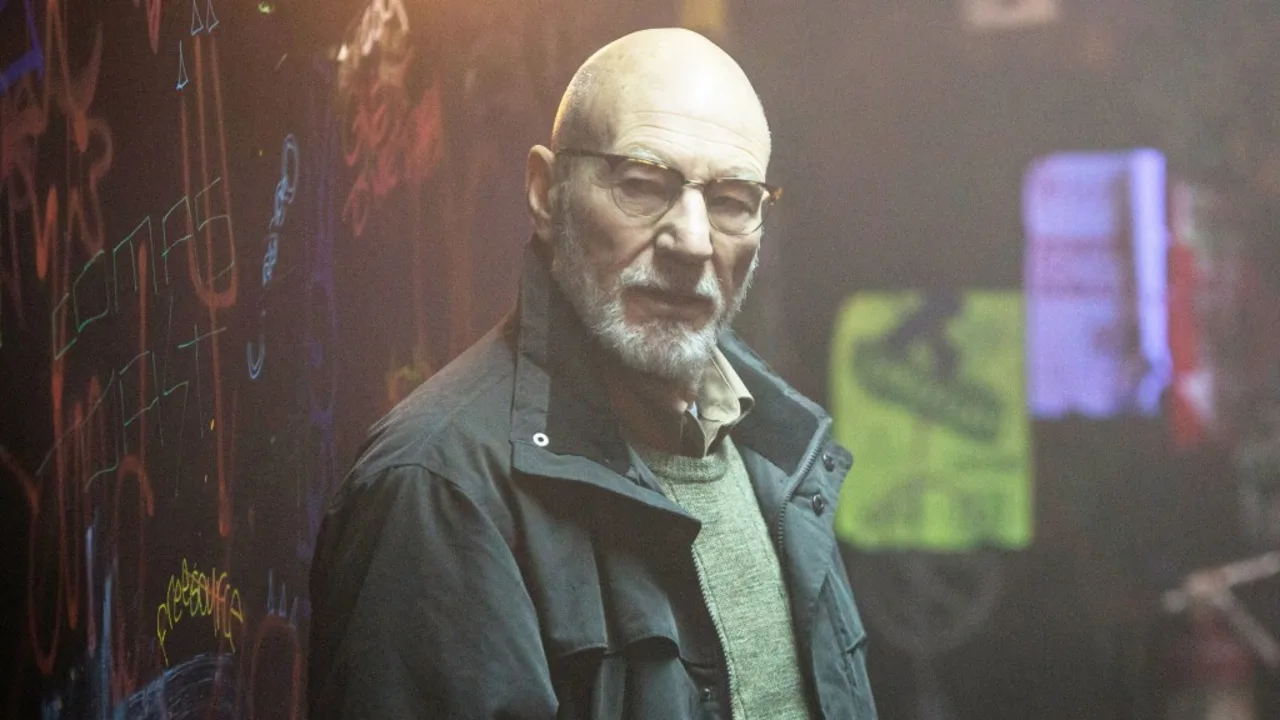
Stewart’s Darcy Banker is the film’s cold center of gravity, a soft-spoken operator who orders killings with the calm of a man filing paperwork. The casting inverted everything audiences expected from the Star Trek and X-Men icon.
That inversion is the movie’s commercial engine. Saulnier built a pressure-cooker scenario where the most dangerous man in the room looks like a retired professor, and the dissonance sells every frame of escalating dread.
The ensemble around him sharpens the stakes. Yelchin anchors the survival instinct, Poots supplies the hardened resolve, and Shawkat, Cole, and Turner fill out a band whose scrappy chemistry makes the siege feel lived-in rather than staged.
Saulnier’s Practical Siege: Claustrophobia Built Without A Net
Saulnier shot the picture as a single-location pressure chamber, wringing tension from cramped green-room walls, a locked door, and the constant threat of violence just outside frame. The film’s reputation rests on that physical discipline.
It followed Blue Ruin, the revenge thriller that established Saulnier as a filmmaker allergic to studio artifice. Green Room doubled down, trading gloss for sweat, duct tape, and a machete.
That grounded approach gave A24 a genre title with critical credibility, the kind of hard-edged indie that plays festivals and art houses without pretending to be a four-quadrant tentpole. The studio’s release slate tracked accordingly across our industry release desk.
The April Slot And The Economics Of A Cult Genre Bet
A24 opened the film domestically on April 15, 2016, a spring corridor that let it build word of mouth away from summer blockbuster traffic. The Cannes premiere a year earlier had already seeded the buzz.
For an independent thriller with no franchise scaffolding, that calendar position was the smart play. Limited screens, strong reviews, and Stewart’s name gave distributors a marketing hook that cost nothing to explain.
The film’s enduring value sits in what it proved: a mid-budget genre bet, anchored by one marquee actor willing to play monster, can outlive its opening weekend and keep generating cultural currency a decade later.
Stewart’s Darcy Banker remains the lesson. When a beloved star signs on to play the man ordering the killings, audiences get a villain they cannot comfortably root against, and that discomfort is exactly what keeps Green Room in the conversation.

Ankit Jaiswal is the Chief Author, covering Indian cinema and OTT releases with honest, no-filler criticism. An SEO strategist by background, he brings a research-driven approach to film writing, cutting through hype to tell you exactly what's worth your time.
Related Movies & Releases