Judge Lets Trump’s $15B ‘Lucky Loser’ Suit Advance Against NYT

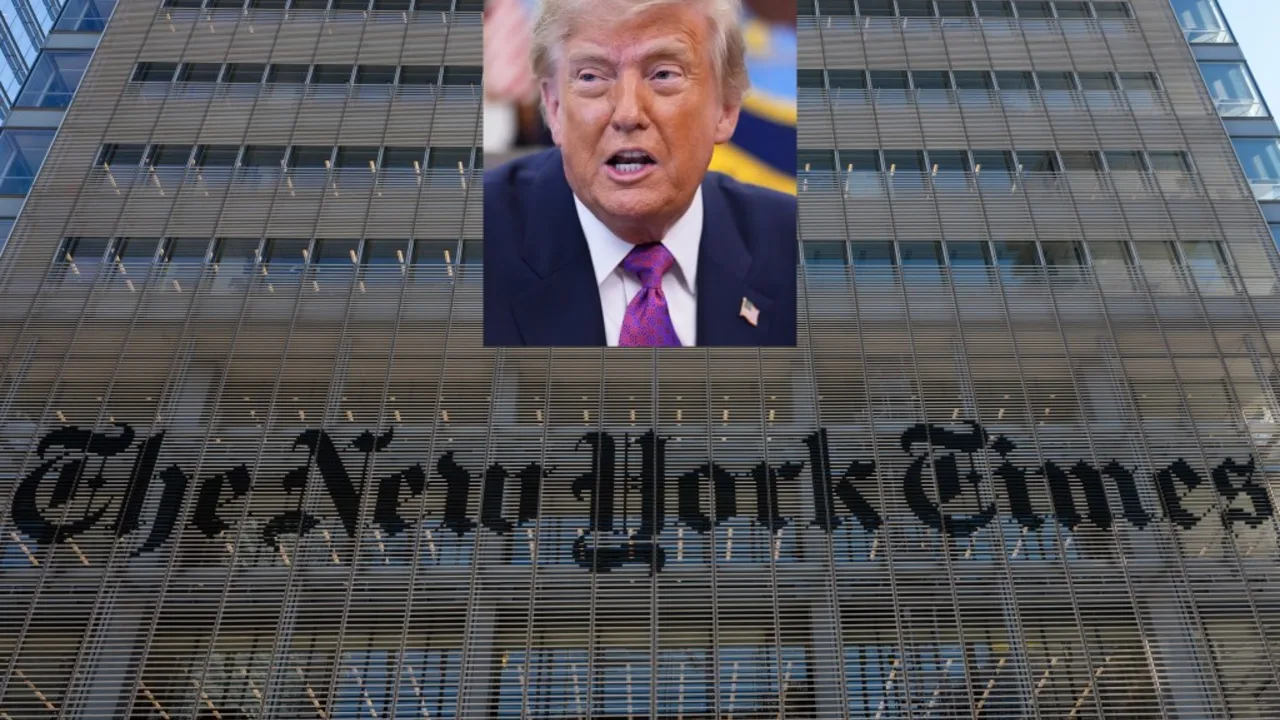
- The Scoop: A federal judge has allowed core portions of Donald Trump’s $15 billion defamation suit over Lucky Loser to proceed against The New York Times and Penguin Random House.
- The Filing: Trump’s legal team lodged the $15 billion complaint in September 2025, naming the Times, four journalists, and the publisher behind the 2024 book.
- The Authors: Lucky Loser: How Donald Trump Squandered His Father’s Fortune and Created the Illusion of Success was written by Times reporters Russ Buettner and Susanne Craig.
- The Stakes: The ruling thins the claims but keeps the central dispute alive, a procedural reprieve for a suit that had been struck once already.
A federal judge has allowed core portions of Donald Trump’s $15 billion defamation lawsuit over the book Lucky Loser to advance, denying The New York Times a clean dismissal of the case.
The ruling trims several claims but preserves the central dispute, handing the president a procedural win in litigation he filed in September 2025 against the paper, four journalists, and Penguin Random House.
Inside the $15 Billion Fight Over a Bestseller’s Ledger
The suit targets Lucky Loser: How Donald Trump Squandered His Father’s Fortune and Created the Illusion of Success, published by Penguin Random House in 2024 ahead of the presidential election.
The book was reported by Times journalists Russ Buettner and Susanne Craig, who built their account around the inheritance and business record that underpinned Trump’s public image.
The complaint folds the title in alongside Times articles, alleging defamatory statements including claims that Trump had “likely committed ‘complex’ tax crimes”, a judicial characterization reported by Politico.
An earlier September 2025 order struck the initial complaint on procedural defects and gave Trump’s lawyers 28 days to refile.
Why the Ruling Is a Reprieve, Not a Verdict
The judge’s decision keeps the heart of the case breathing while dismissing peripheral claims, a split outcome that both camps can spin.
Crucially, the ruling did not find that the book defamed Trump; it settled a threshold question of whether the litigation survives to fight another round.
For Penguin Random House, the exposure is reputational and financial at once, a $15 billion demand attached to a nonfiction title that has already circulated widely.
The publisher’s nonfiction catalogue has weathered political fire before, but a nine-figure-plus claim tied to a single book’s reporting raises the temperature on editorial risk.
The Legal Math Behind a Nine-Figure Demand
Trump’s $15 billion figure dwarfs typical defamation awards, functioning less as a damages estimate than as leverage in a war over the book’s factual foundation.
Every procedural round carries real cost: legal fees, discovery, and the slow burn of a case that will shadow the title’s shelf life for years.
The authors, Buettner and Craig, remain central to the defense, their reporting methods and sourcing now subject to courtroom scrutiny rather than newsroom editing.
For observers tracking how political litigation shapes publishing, the case sits alongside contemporary debt-fuelled crime storytelling in the broader cultural conversation about money and myth.
The next filings will determine whether the surviving claims reach discovery or collapse under renewed procedural challenge, a timeline monitored across our trade news desk.
Until then, the book stays in print, the bylines stay intact, and the $15 billion question stays open.

Ankit Jaiswal is the Chief Author, covering Indian cinema and OTT releases with honest, no-filler criticism. An SEO strategist by background, he brings a research-driven approach to film writing, cutting through hype to tell you exactly what's worth your time.
Related Movies & Releases