Dafne Keen Says She Was Offered Cocaine at 11 as Hugh Jackman Protected Her on ‘Logan

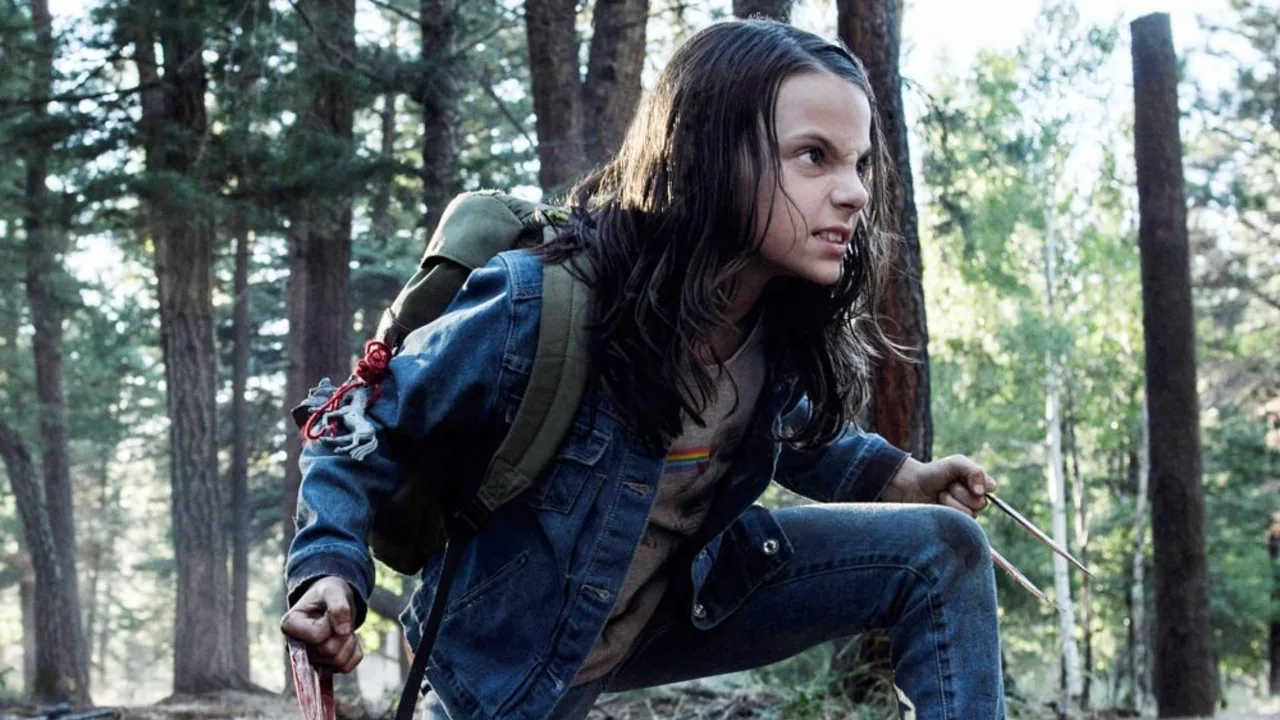
- The Scoop: Dafne Keen says she was offered cocaine at Hollywood wrap parties as young as 11, and credits Hugh Jackman with shielding her working hours on the set of Logan.
- Set Protection: Keen says Jackman personally ensured no one was “abusing my hours” and kept backstage tensions away from her during the 2017 shoot.
- Industry Stakes: The account puts a fresh spotlight on minor-actor safeguarding and the off-set party culture that surrounds major studio tentpoles.
Dafne Keen says she was offered cocaine at Hollywood wrap parties at ages 11, 12 and 13, and credits Hugh Jackman with guarding her working hours on Logan.
The recollection lands years after the 2017 release, but it cuts straight to how studios manage underage talent on large-scale productions.
Inside the Wrap-Party Circuit: What Keen Says She Witnessed as a Child Actor
Keen told Entertainment Weekly she was “getting offered coke at wrap parties” while still a pre-teen, describing the exposure in blunt terms.
“Like, tiny. Like 11, 12, 13,” she said. “So I saw what that was, so I was like, ‘I don’t really have any interest in that.'”
Her account points to a gap between on-set supervision and the adult social ecosystem that trails a production once cameras stop rolling.
For a young performer entering a franchise machine, that gap is where safeguarding protocols often thin out fastest.
Hugh Jackman as Guardian: How the Star Enforced Limits on the ‘Logan’ Set
Keen’s praise for Jackman is specific and operational rather than sentimental, focused on the boundaries he enforced around her schedule.
“He made sure that no one was abusing my hours, that I was having fun on set, that I wasn’t aware of any tensions that would’ve been happening behind the scenes.”
“He was so incredibly protective and amazing,” she added, calling him “a sort of parental figure.”
That intervention matters on a film like Logan, where a child actor carried heavy emotional and physical material across a demanding shoot.
Jackman’s leverage as the film’s lead and anchor gave him standing to set limits that a younger or less powerful colleague could not.
Why a Child Actor’s Working Hours Are a Studio Responsibility, Not a Courtesy
Keen played Laura, the feral young mutant who becomes the emotional center of James Mangold’s R-rated send-off for the character.
The production carried a deep bench (Patrick Stewart, Richard E. Grant, Boyd Holbrook and Stephen Merchant) with Hutch Parker, Simon Kinberg and Lauren Shuler Donner producing.
On a set that size, the burden of protecting a minor’s hours should sit with producers and child-welfare supervisors, not rest on a co-star’s goodwill.
Keen’s account suggests the system worked because one actor chose to enforce it personally, monitored across our entertainment trade desk.
The commercial stakes are real: a young lead’s wellbeing and stamina are production assets, and burnout or off-set exposure carries reputational and legal risk for the studio long after release.
Keen’s story is a reminder that the real test of a franchise isn’t the box office, it’s whether the youngest person on set was actually looked after.

Ankit Jaiswal is the Chief Author, covering Indian cinema and OTT releases with honest, no-filler criticism. An SEO strategist by background, he brings a research-driven approach to film writing, cutting through hype to tell you exactly what's worth your time.
Related Movies & Releases