My Bloody Valentine (1981): Tarantino’s Favorite Slasher Hits Pluto TV Free

- The Scoop: George Mihalka’s 1981 slasher My Bloody Valentine is now streaming free on Pluto TV, pulling the cult title back into the horror conversation.
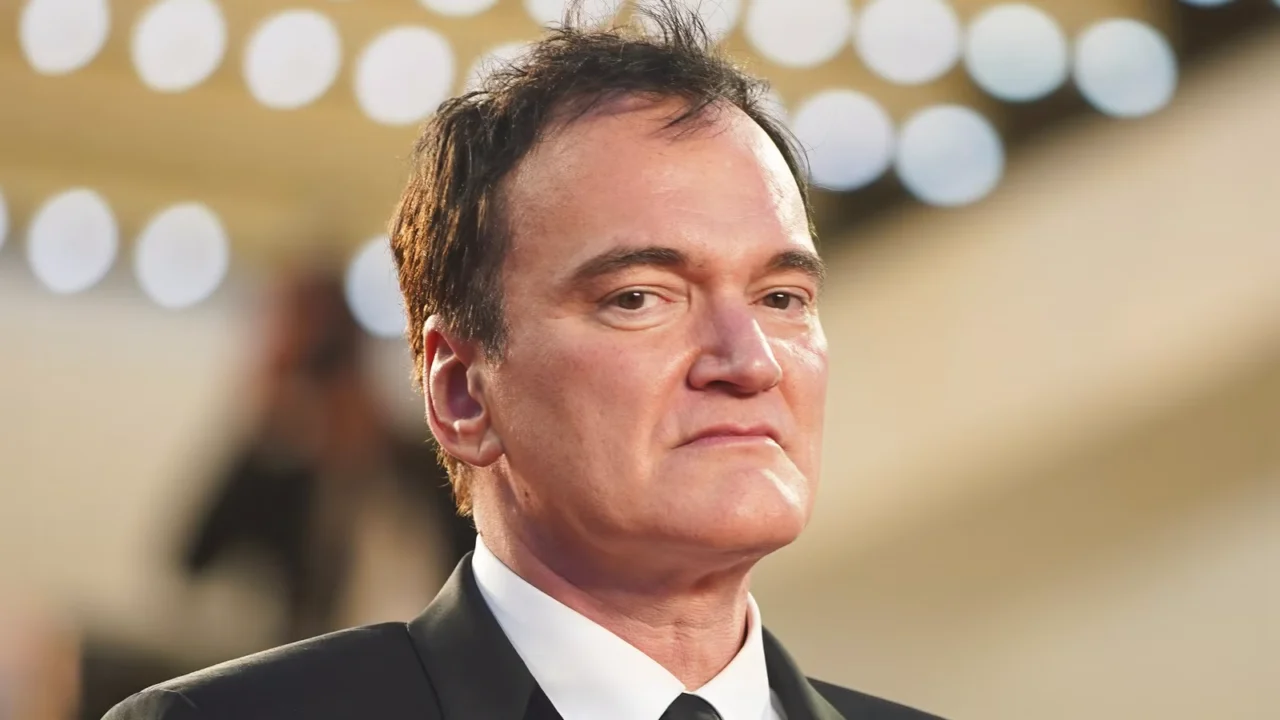
- Tarantino Endorsement: Quentin Tarantino has publicly championed the film as one of his favorite thrillers, lending it heavyweight auteur credibility.
- Franchise Economics: The 2009 Patrick Lussier remake grossed roughly $101 million worldwide against a $15 million budget, proving the IP still carries real commercial voltage.
My Bloody Valentine (1981), the Canadian slasher that Quentin Tarantino has named among his favorite thrillers, is now streaming free on Pluto TV. The film’s arrival on the ad-supported platform gives horror fans zero-cost access to a title that has quietly outlasted most of its genre peers.
The resuscitation matters because Tarantino’s endorsement carries measurable weight in the cult-film economy. When the director behind Pulp Fiction and Once Upon a Time in Hollywood anoints a slasher, distributors and streamers take note, and catalog titles get a second commercial life.
Tarantino’s Seal of Approval Reshapes the Film’s Commercial Trajectory
Tarantino’s habit of canonizing overlooked genre pictures has repeatedly translated into renewed licensing interest and physical-media runs. His praise for Mihalka’s film places it alongside the grindhouse and exploitation titles he has spent decades championing through his own distribution label.
That auteur validation gives Pluto TV a marquee horror asset at minimal acquisition cost. Contrasting with contemporary action releases that burn through marketing budgets, a Tarantino-stamped catalog title sells itself on reputation alone.
The 2009 Remake Proved the Franchise Still Prints Money
Patrick Lussier’s 2009 remake, shot in crisp 3D, grossed approximately $101 million worldwide on a $15 million production budget. That roughly seven-to-one return demonstrated that the My Bloody Valentine brand could still pull audiences into theaters nearly three decades after the original.
The remake’s performance also validated the original’s underlying IP value. Studios rarely revisit a slasher property unless the first film retains cultural recognition, and the 1981 version clearly does.
For Pluto TV, the free-streaming play is a subscriber-retention tool rather than a theatrical bet. Catalog horror drives repeat viewing sessions and keeps ad inventory moving, which is exactly why platforms chase Tarantino-approved titles across our trade entertainment wire desk.
Why the Original Still Outperforms Its Imitators
Mihalka shot the film in a real Nova Scotia mining town, using actual mine shafts and underground tunnels rather than soundstage recreations. That physical commitment gave the slasher a claustrophobic texture that green-screen contemporaries could not match.
The production reportedly faced pressure to soften its violence, yet the finished film retained enough brutality to earn a place in the slasher canon. Its 90-minute runtime and tight pacing have helped it age better than many of its 1980s peers.
Pluto TV’s free window functions as a low-risk discovery funnel: viewers sample the original, and the platform captures ad revenue while deepening engagement with its horror library. For a 44-year-old Canadian slasher, that is a remarkably durable second act.

Ankit Jaiswal is the Chief Author, covering Indian cinema and OTT releases with honest, no-filler criticism. An SEO strategist by background, he brings a research-driven approach to film writing, cutting through hype to tell you exactly what's worth your time.