Korean Kanakaraju (2026): A Dragon-Shaped Gamble Wrapped in Culture Clash
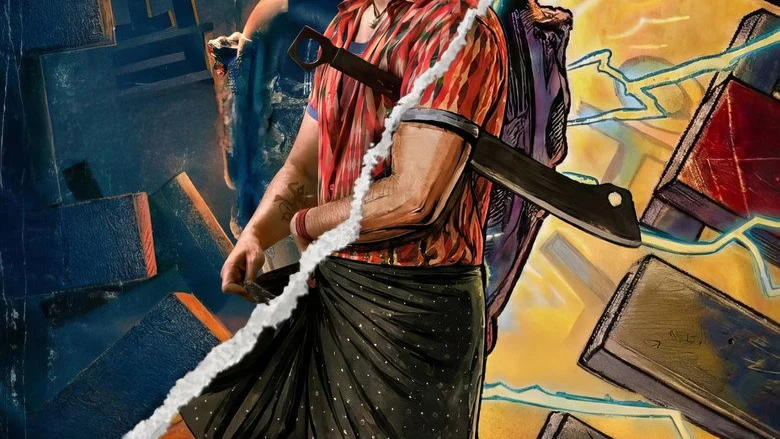
The title glimpse gives us the film’s strangest image: a village hothead from Penugonda possessed by a dragon-shaped vase, his eyes turning blue before he laughs eerily in Korean. It is a bizarre, confident hook that immediately separates this from the standard Telugu action-comedy template. Varun Tej is clearly leaning into the absurdity, and the glimpse suggests he is enjoying the shift from grounded roles to supernatural chaos.
The actor’s physicality has always been his strength, and the brief flashes of conflict with Korean police and mafia forces hint at a performance built on reactive rage rather than introspection. Whether he can sustain the comic timing required for the horror-comedy register remains the film’s biggest unanswered question. What we see is a star willing to look foolish for the sake of the concept, which is half the battle won.
Merlapaka Gandhi’s High-Concept Tightrope
Merlapaka Gandhi is a director who understands commercial rhythm, and the premise here is a genuine swing: a Rayalaseema youth involuntarily transported to South Korea whenever the country is mentioned. The screenplay structure appears linear from the available material, moving from village life to possession to a chase involving the Korean mafia and law enforcement.
The weakness is that the narrative details beyond the premise are frustratingly sparse. We know there is a tortured Indian photographer being pressured to reveal Kanakaraju’s location, which sets up an identity-confusion plot, but the connective tissue between the supernatural hook and the crime-world conflict is unclear. I suspect the film’s success will hinge entirely on how elegantly Gandhi bridges that gap.
The Horror-Comedy Balance Is a Delicate Art
The possession device is the film’s core horror engine, and the visual of blue eyes and eerie laughter is a solid genre staple. The glimpse pairs this with the comic line “This Kanakaraju isn’t our Kanakaraju…”, which suggests the film understands that horror works best when undercut by situational humor. That tonal contrast is the right instinct for a culture-clash comedy.
The Korean police interrogation scene, where an Indian photographer is tortured for information, leans into a tense, comic-crime setup that feels lifted from a different genre entirely. It is the film’s most clearly documented moment of conflict, and it signals that Gandhi is not afraid to mix tones aggressively. The risk is that the comedy dilutes the threat or the horror undercuts the laughs.
The India-Korea framework provides a natural engine for both genres: the language barrier is a comedy goldmine, while the unfamiliar territory creates genuine danger. If the film commits to this duality rather than treating Korea as a mere backdrop, it could carve out a unique space in Telugu cinema. The production, shot across South Korea and Kazakhstan, suggests the scale is there.
For more on how Telugu cinema is experimenting with genre and location, browse our Telugu Horror reviews.
Ritika Nayak and Satya: The Unseen Variables
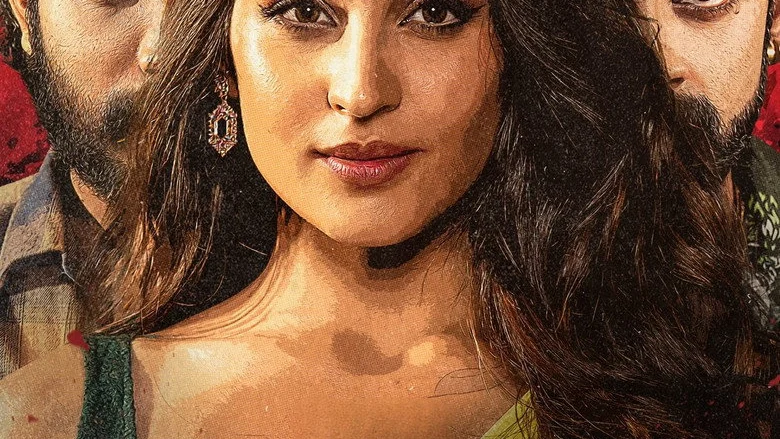
Ritika Nayak is positioned as the female lead, with one source identifying her character as a language interpreter. That is a smart casting choice for a culture-clash narrative, as it gives her a functional role in the plot rather than a decorative one. Her dynamic with Varun Tej will likely be built on translation mishaps and comic frustration, which is a fresh angle for a Telugu heroine.
Satya is listed among the principal cast, and his presence signals the film’s comedic intent. He is a reliable scene-stealer in Telugu cinema, and his casting suggests Gandhi wants a grounded comic anchor amidst the supernatural chaos. The lack of scene-specific details is unfortunate, but his inclusion alone tells us the film is aiming for a broad commercial audience that needs consistent laughs.
The Audience Question: Who Shows Up for the Gamble?
There is no verified controversy or political angle attached to this production, which is notable for a film with such a strange premise. The attention is entirely on the concept itself, and social media chatter appears focused on the unusual India-Korea setup and Varun Tej’s genre shift. The film was reportedly completed within its planned budget in 74 days, which suggests a controlled production despite the international locations.
The target audience is clear: fans of Varun Tej, horror-comedy enthusiasts, and viewers who appreciate high-concept commercial cinema. Those expecting grounded realism or non-supernatural drama should look elsewhere. The release date of 7 August 2026 gives the makers ample time to build a campaign around the film’s most distinctive asset: its refusal to play it safe.
Korean Kanakaraju is a film that will live or die by its tonal execution, and the available material suggests a director and star willing to take a genuine risk. If you are a fan of genre-mixing Telugu cinema, this is worth a theatrical watch for the sheer audacity of its premise. If you prefer your films predictable, this is an easy skip.
Korean Kanakaraju is a fascinating misfire waiting to happen or a cult classic in the making, and I would give it 3 out of 5 stars based purely on the promise of its concept and the courage of its casting.
For a similar blend of genre experimentation and debut charm, check out Thudakkam review.
If you prefer your comedy grounded in native charm rather than supernatural chaos, Ottam Thullal verdict might be more your pace.