The Odyssey (2026): A Grand, Empty Voyage That Nolan Can’t Complete

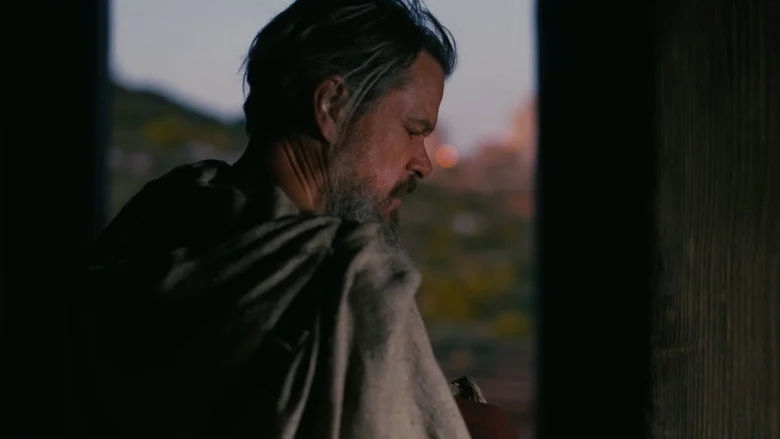
Christopher Nolan’s The Odyssey opens not in Ithaca’s opulent halls, but on a rocky shoreline where Matt Damon’s Odysseus, salt-crusted and hollow-eyed, gazes at a sea that promises only more pain. The first image is brutally beautiful, a lone king choosing exile over a hollow crown, and it suggests a film finally ready to wrestle with the ambiguities of heroism. Yet barely ten minutes later, we’re stranded in a cosmic slog, drowning in expensive spectacle that feels purchased, not earned.
Matt Damon’s Odysseus: Stoic Boredom Wrapped in a Cape
Damon plays the Greek king as a man haunted by the Trojan War, but his performance is all furrowed brow and clenched jaw. The emotional turning point, Odysseus telling Telemachus he must abandon the throne, lands with a thud because Damon refuses to crack the royal veneer. I kept waiting for a glimpse of the crafty survivor Homer described; all I got was a walking statue.
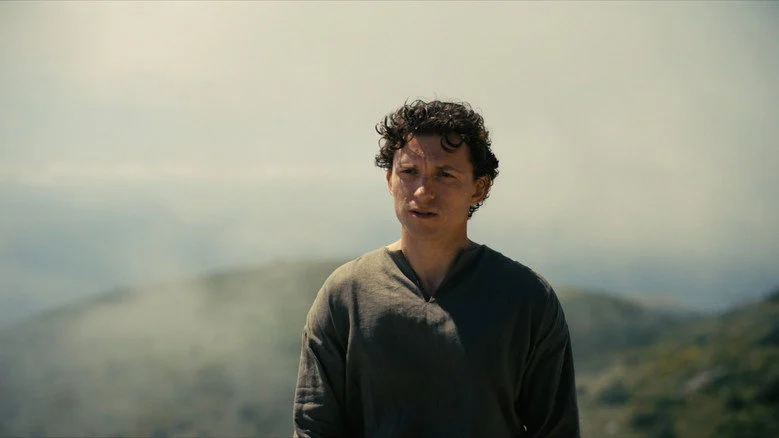
When Tom Holland’s Telemachus sets out to find his father, the screen briefly sparks. Holland brings a boyish desperation Damon sorely lacks, making their eventual reunion more about the son’s ache than the father’s. That imbalance is the film’s biggest performance problem.
Nolan’s Ambition Overwhelms the Human Story
Nolan orchestrates the Cyclops setpiece with his signature logistical clarity, stone crushing, fire roaring, geography holding steady. But for a director who once made time a palpable enemy, this feels like a ticking clock with no hands. The screenplay buries Odysseus’s inner conflict beneath gods and monsters; the man himself becomes a passenger in his own story.
The biggest flaw is in the second act’s plodding pace. Circe’s confrontation with Odysseus offers a rare psychological jolt, but Nolan cuts away too quickly, more interested in the next monster than the monster inside the hero. A tighter, more intimate screenplay could have saved this epic from its own scale.
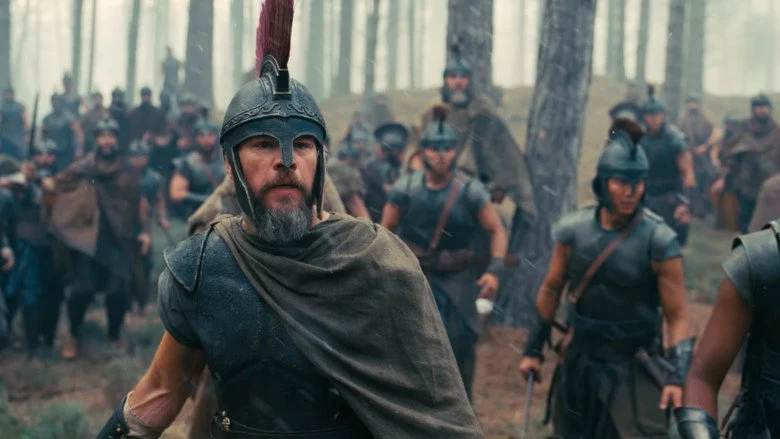
The Cyclops Roars, But the Epic Fumbles Its Fantasy
The encounter with the Cyclops is the film’s lone, brutal highlight: a battering ram of a sequence that uses practical costuming and sound design to sell the creature’s weight. When the giant bellows, the IMAX screen shakes. When Damon’s crew drives a stake into its eye, you feel every centimeter of the splintering wood. This is Nolan at his most tactile, proving he can build fantasy horror without a green screen crutch.
Then comes Circe’s island, and the film loses its nerve. Charlize Theron prowls through artful halls, her voice a silk blade, but the confrontation dissolves into generic fireballs and flying debris. The goddess of sorcery deserves a conversation that lasts longer than a sword fight; instead, we get a quick special effect and a fade-out. The fantasy here feels impatient, as if Nolan fears staying still will bore the audience.
The Sirens’ scene is a wasted opportunity: a visual splash of sea foam and seductive bodies, but no real tension. The crew’s wax-ear plugs feel like a cheat, and Odysseus’s roped-to-the-mast moment should have been the film’s thesis statement, a man who must hear the song without surrendering. Instead, it’s a box checked on a mythological to-do list.
Theron Shines Amid a Solid Supporting Cast
Charlize Theron understands Circe is a witch, not a warrior. Her eyes flicker with ancient cruelty when she first sees Odysseus, and she delivers every line as if she’s been waiting centuries for a worthy opponent. But the script gives her only one proper scene; Theron is too sharp an actress to waste on a single confrontation. Her casting signals a film that knew better but cut corners.
Jon Bernthal’s unnamed role brings a welcome, gritty physicality to the crew. When he dies, quick and ugly, you feel the loss more than any god’s tantrum. Lupita Nyong’o and Mia Goth are squandered in background murmur; their casting suggests a deeper ensemble that never materializes into meaningful parts. Nolan’s refusal to give these actors scenes is the film’s most frustrating creative choice.
Tom Holland carries the emotional core almost single-handedly. His Telemachus doesn’t just search for a father; he searches for a version of himself that can rule without the old king’s shadow. That quiet dignity is the closest the film gets to the human truth Homer’s epic demands.
Controversy and Political Angle
No major controversies have emerged from this production. Instead, the conversation around the film centers on audience reception: early word suggests a split between Nolan purists defending the scale and general viewers left cold by the emotional vacuum. The Universal Pictures budget demands a crowd-pleasing hit, but this Odyssey may chart a path closer to Tenet’s divisive numbers than Oppenheimer’s sweeping acclaim.
If you are looking for more epic action films that balance scale with soul, you can browse our English-language epic reviews for deeper critical takes.
Final Recommendation
Go for the Cyclops fight and stay for Tom Holland. Leave before the ending credits if you want to preserve the illusion that a 173-minute voyage might actually end somewhere meaningful. This is a film best watched on the biggest screen available, because at least the visuals give you something to do while the story stalls. But do not expect Nolan’s magic to rescue Homer’s hero, he is still stranded at sea, as bored as you are.
The Odyssey is a watch for IMAX completists and a skip for anyone who prefers their epics to have a beating heart. It earns a 2/5 from this critic.
Also on Filmy4Web
For a Telugu film that handled father-son dynamics with more emotional precision, read our review of Varavu review.
If you want a shorter fantasy thriller that builds tension more efficiently, check out Ire verdict.

Ankit Jaiswal is the Chief Author, covering Indian cinema and OTT releases with honest, no-filler criticism. An SEO strategist by background, he brings a research-driven approach to film writing, cutting through hype to tell you exactly what's worth your time.
Related Movies & Releases