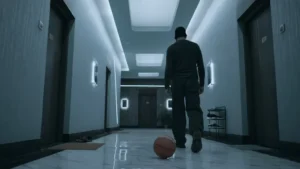
One Last Game (2026): Ken Duken Anchors a Grim Psychological Thriller on Addiction

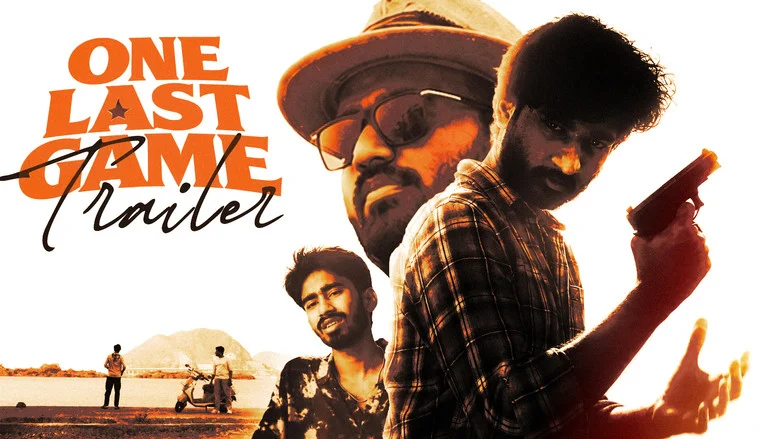
The camera stays on Gellert’s face as he settles into the chair across the poker table, the felt green and the low buzz of tension filling the frame. Within minutes, Ken Duken has communicated everything the script leaves unspoken, a lifetime of bad decisions, a man who has run out of room to run.
This is the anchor of Stefan Ayassi Epmeier’s One Last Game (2026), a psychological thriller that trades spectacle for the quiet, grinding horror of addiction. Duken’s performance is the single reason the film holds together.
The Poker Table Scene That Defines the Film
There is no grand villain here, no snarling antagonist. Gellert’s opponent is his own past, and Duken makes that invisible weight feel suffocating. In the pivotal table scene, his micro-expressions shift from bravado to dread to a hollow acceptance, all without a single line of dialogue.
The camera lingers on his hands, the sweat on his brow, the way his eyes lose focus. It is an actor’s scene, not a director’s, and Duken delivers it with controlled desperation.
Direction and Screenplay: Tension Without a Target
Stefan Ayassi Epmeier understands how to build psychological dread. The moody lighting and tight frames create a claustrophobic atmosphere that mirrors Gellert’s trapped psyche. The first half moves with steady, deliberate pacing, pulling the viewer into the spiral.
But the screenplay lacks a clear antagonist, and that structural weakness catches up in the second half. The pacing grows inconsistent, and the film’s refusal to name Gellert’s debtors or his past victims leaves the tension feeling ungrounded. A thriller needs a target; here, the target is abstract, and the narrative suffers for it.
Genre-Core Execution: Ambiguity as a Double-Edged Sword
As a psychological thriller, One Last Game leans heavily on ambiguity. The high-stakes game takes an unexpected turn, and Epmeier shoots the shift with a disorienting shift in focus, Gellert’s eyes grow heavy, and the line between reality and consequence blurs. The film trusts its audience to sit in that discomfort, and for the first hour, that trust is earned.
The realistic portrayal of gambling addiction is the film’s sharpest tool. There are no glamorous casino shots, no triumphant wins. Every hand dealt feels like a further tightening of a noose. The script includes a line that echoes this: “The objective of the game is to know when it’s over, Gellert!” It’s a smart thematic touch, even if the character who delivers it remains nameless and underdeveloped.
Where the genre execution fractures is the ending. The ambiguous conclusion, Gellert realizing “he did not want this to happen”, works in theory. In practice, the lack of narrative payoff frustrates more than it haunts. The film chooses mood over resolution, and for a thriller, that feels like a folded hand.
Supporting Cast: Lund and Van Husen in Thin Roles
Regina Lund appears in key scenes with an effective, brooding presence, but her character remains unnamed and unexplored. Her casting signals a desire for emotional weight, yet the screenplay offers her little to work with beyond a watchful silence. I wish the script had given Lund even one substantial exchange, her stillness deserves a stronger counterpoint.
Dan Van Husen fares slightly better in a supporting role that demands a harder edge. His presence adds a tangible sense of threat during the game’s turn, but again, the lack of character detail limits his impact. Both actors are skilled; the film simply doesn’t use them enough.
Audience Reception and the Ambiguity Problem
Early audience feedback, while limited due to the film’s streaming-only release on platforms like The Roku Channel, Mometu, and Fawesome, praises the realistic portrayal of addiction and Duken’s emotional depth. The strongest complaints echo the critical notes: the ambiguous ending and the missing antagonist frustrate viewers who need narrative closure.
The film has found no political or social controversy, largely because its focus remains tightly on Gellert’s internal world. The debate, instead, is about whether a thriller can succeed when its central conflict is fought entirely within one man’s head.
For those who enjoy deep dives into addiction-focused cinema, browse more Telugu Thriller reviews that explore similar character-driven tension.
Closing Recommendation
Go for Ken Duken. Stay for the first hour, which is taut and unnerving. But be prepared for a final act that prioritizes ambiguity over payoff, this is a film best watched alone, late at night, when its quiet dread can settle in without distraction. The ideal format is OTT, where you can sit with the discomfort without a crowd.
One Last Game is a 2.5 out of 5, a film anchored by a compelling lead performance but sunk by a screenplay that refuses to show its cards.
If Duken’s controlled desperation resonates, explore how another lead performance anchors a messy narrative in the Gatta Kusthi review review.
For another thriller grappling with an ending that divides audiences, the Aroopi verdict review examines similar structural frustrations.

Ankit Jaiswal is the Chief Author, covering Indian cinema and OTT releases with honest, no-filler criticism. An SEO strategist by background, he brings a research-driven approach to film writing, cutting through hype to tell you exactly what's worth your time.
Related Movies & Releases