Jodie Sweetin Says She Had $190 in the Bank Before ‘Fuller House

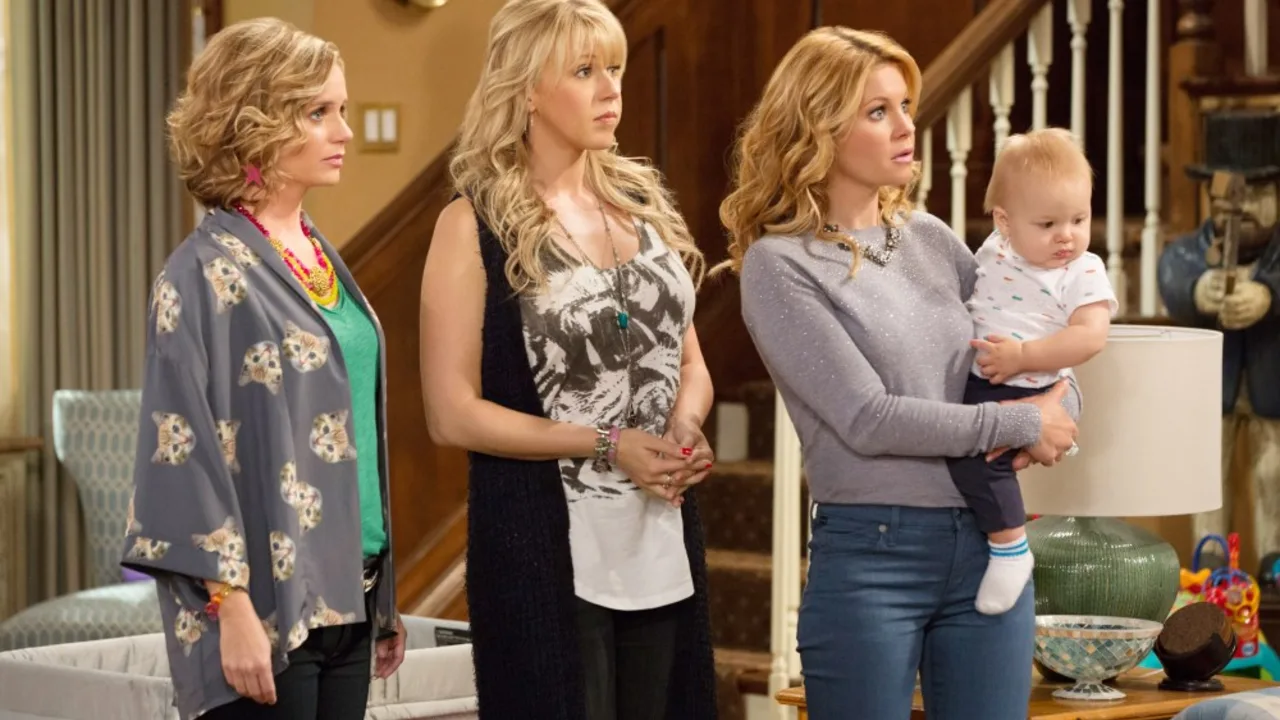
- The Scoop: Jodie Sweetin revealed she entered production on Netflix’s Fuller House with roughly $190 in her bank account and borrowed money during her first week.
- Paycheck Reality: The actor disclosed on the We’re Still Here, Babe podcast that she “skittered” into her first revival paycheck and hid the cash crunch from her co-stars.
- Platform Stakes: Netflix launched all 13 first-season episodes of the sequel series on Friday, February 26, 2016, a binge-model bet on the Tanner nostalgia brand.
Jodie Sweetin entered production on Netflix’s Fuller House with about $190 in her bank account and borrowed money during her first week on set. The disclosure lands as a blunt reminder of how thin the margins get between a signature sitcom role and a steady adult income.
“I had to borrow money the first week I was working on ‘Fuller House,’ and I [skittered] into my first paycheck with like $190 in my bank account,” Sweetin said on the We’re Still Here, Babe podcast. “And nobody that I worked with knew that.”
Between Stephanie Tanner and a Paycheck: The Revival’s Hidden Ledger
Sweetin’s account, first reported by Variety, recasts the 2016 revival as a financial lifeline rather than a nostalgic victory lap. She stepped back into Stephanie Tanner after years of irregular television work, with the original Full House run of 1987 to 1995 long behind her.
The candor matters because revival casting is usually sold to talent as legacy equity. Here the equity arrived only after the first check cleared, a gap that says plenty about how child-star careers cool between franchise cycles.
Her admission that co-stars Candace Cameron Bure and Andrea Barber had no idea sharpens the point. The three women were being packaged as a reunion trio, yet one member of that trio was quietly covering rent while cameras rolled.
Netflix’s Friday Drop: Betting the House on Nostalgia
Netflix confirmed a Friday, February 26, 2016 premiere, releasing all 13 first-season episodes at once across its territories. The all-at-once drop was the platform’s standard playbook of the era, engineered to convert a recognizable sitcom brand into subscription sign-ups and retention.
The sequel series follows widowed D.J. Tanner-Fuller as Stephanie and Kimmy Gibbler move in to help raise her children. That premise gave the streamer a multi-generational hook, pairing returning adults with a young cast built around Michael Campion, Elias Harger, and Soni Nicole Bringas.
The revival ultimately ran five seasons, concluding in 2020, a longer tail than most legacy reboots manage. Its endurance validated the nostalgia pipeline then reshaping streaming slates, monitored across our trade entertainment wire desk as platforms chased familiar IP over untested originals.
The Economics of a Comeback Check
Sweetin’s story is a cost-side lesson for the industry: talent goodwill is not a substitute for liquidity. A performer arriving at a marquee revival with under $200 in the account cannot negotiate from strength, and that asymmetry shapes deals long before cameras roll.
For streamers, the revival’s value sat in subscriber acquisition, not box office, with the full-season drop functioning as a churn buffer for the quarter. The platform bought a known audience; the actor bought time, and the first paycheck closed the gap.

Ankit Jaiswal is the Chief Author, covering Indian cinema and OTT releases with honest, no-filler criticism. An SEO strategist by background, he brings a research-driven approach to film writing, cutting through hype to tell you exactly what's worth your time.
Related Movies & Releases