Jessica Biel’s 7th Heaven Reboot: Inside the CBS Studios Modernization

- The Scoop: Jessica Biel is executive producing an early-development 7th Heaven reboot at CBS Studios, with Anthony Sparks attached to write.
- Creative Bench: Biel and Michelle Purple produce through Iron Ocean alongside DeVon Franklin’s Franklin Entertainment, with a reported plan to center a diverse family.
- The Stakes: Biel’s stated modernization targets technology, bullying, drugs and alcohol, a harder-edged family drama than the original’s 1996, 2007 run.
Jessica Biel is executive producing an early-development 7th Heaven reboot at CBS Studios, with Anthony Sparks attached to write the potential new version.
The project, first reported in May 2025, marks a deliberate rebuild rather than a revival, and Biel is framing it as a harder-edged family drama for a different television era.
From Mary Camden to the Corner Office: Biel’s Producer Turn
Biel is not returning as an actor. She produces through Iron Ocean with Michelle Purple, joined by DeVon Franklin of Franklin Entertainment under the CBS Studios banner.
That configuration puts a former series regular in charge of reinterpreting the show that launched her, a rare inversion of the revival playbook, where nostalgia usually outranks authorship.
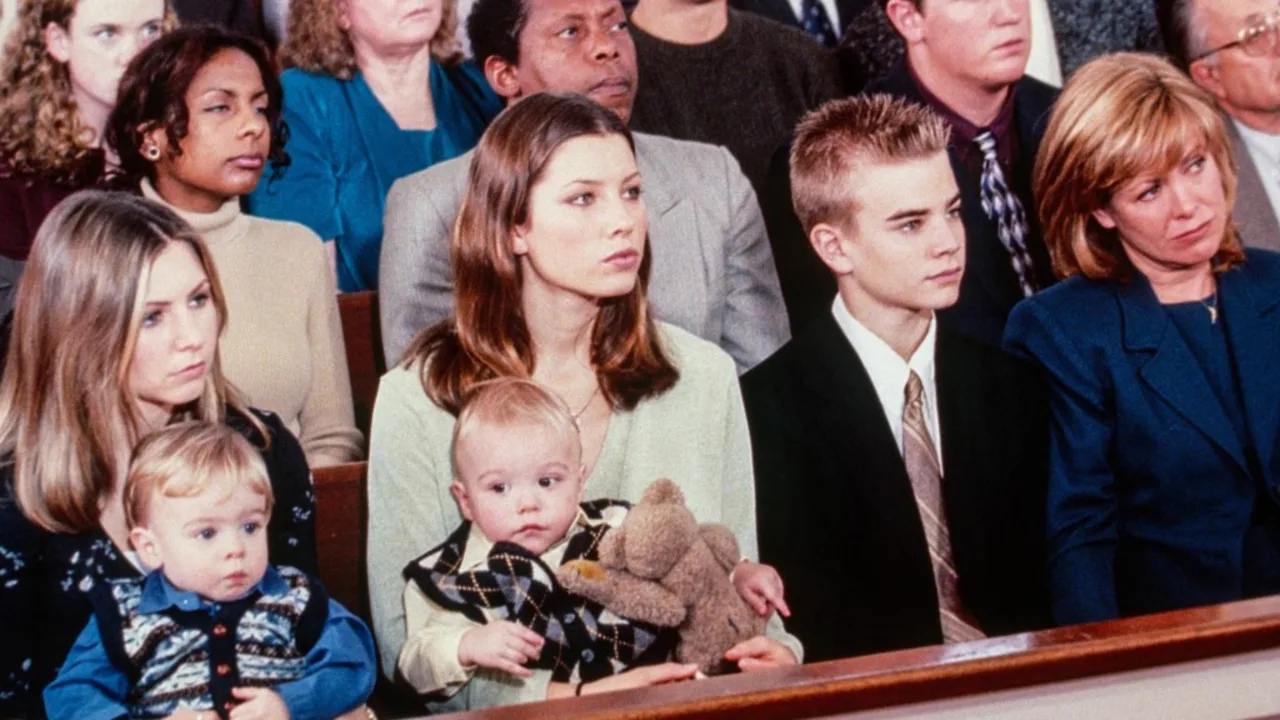
The original 7th Heaven ran from 1996 to 2007 around the Camden family and its minister patriarch. The reboot is described as focusing on a diverse family, not a reproduction of that ensemble.
Available trade reporting indicates none of the original cast members are expected to return, which clears the deck for Sparks to build fresh characters rather than service legacy contracts.
What “Modernize” Actually Means: Tech, Bullying, and the Teen Crisis
Biel has been specific about the subject matter. She told reporters the show will confront “technology-based issues, school stuff, bullying stuff, drugs, alcohol” across the full age range of a household with teenagers and younger children.
“What we want to create, how we want to modernize it, is really the things that are happening for teenagers and families that have teenagers all the way down to the youngest child, technology-based issues, school stuff, bullying stuff, drugs, alcohol. All of those things we want to address in a very real way.”
That is a pointed departure from the original’s softer moral framework. The 1996 series aired on a broadcast landscape where a minister’s family could anchor a weekly lesson; the current streaming and cable market rewards friction.
Biel’s language signals a writers’-room mandate to trade gentle parable for direct confrontation with adolescent life as it is actually lived on phones and in schools.
The Set Culture Pitch: Biel’s “Safe Space” as a Production Doctrine
Biel has also articulated a behind-the-camera philosophy, describing her producing approach as building an environment where cast and crew can take creative risks without exposure.
“You just want to create a safe place for people to be really creative and really vulnerable. I think that’s what I’m constantly trying to do as a producer is just build out that space where everyone feels like they will be taken care of, and it’s safe, you know?”
For a series built around young performers carrying heavy material, that doctrine is operational, not decorative. Teen-led dramas live or die on whether their casts can deliver difficult scenes without a protective infrastructure collapsing.
It also reads as a quiet corrective to the original production’s era, when child-actor welfare was rarely discussed as a producing responsibility.
No Network, No Date: The Development Math Behind the Delay
The reboot remains in development with no confirmed network or streaming home, no episode order, and no production schedule. Those gaps are the story of the project’s current phase.
CBS Studios is carrying the cost of script development and packaging before any buyer commits, which means the pitch has to land on the strength of the modernization angle and Biel’s name behind the desk.
For a franchise with a nine-season library and a recognizable title, the value proposition to a buyer is straightforward: built-in search demand paired with a creative reset that avoids the casting costs of a full reunion.
Until a platform signs, the project’s momentum is measured in drafts and meetings rather than shoot days, tracked across our trade entertainment wire desk as the package moves toward a formal slate reveal.
The economics are unforgiving: every month in limbo is a month a rival family drama can claim the same audience, and the reboot’s window narrows with each development cycle that passes without a greenlight.

Ankit Jaiswal is the Chief Author, covering Indian cinema and OTT releases with honest, no-filler criticism. An SEO strategist by background, he brings a research-driven approach to film writing, cutting through hype to tell you exactly what's worth your time.
Related Movies & Releases