Ego Nwodim Hits Back at Shane Gillis’ SNL Gym Monologue

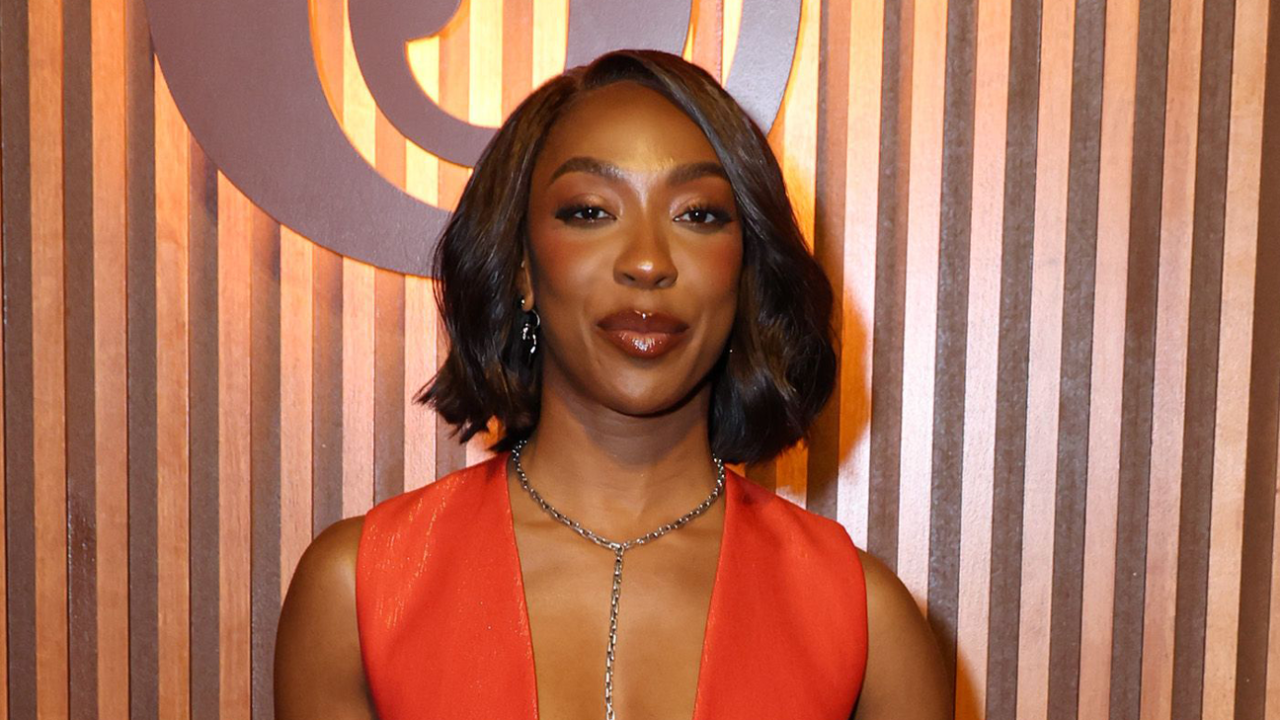
- The Scoop: Former SNL cast member Ego Nwodim fired back at host Shane Gillis’ controversial gym-attire monologue with a pointed Instagram Story reading “Whore reporting for duty.”
- The Flashpoint: During his third stint as host, Gillis described women’s workout shorts in explicit, sexualized terms, drawing immediate backlash across social platforms.
- Industry Stakes: The exchange underscores SNL‘s continued reliance on provocation to drive post-broadcast digital engagement, even as it risks alienating its own alumni base.
Ego Nwodim has entered the fray over Shane Gillis’ latest Saturday Night Live monologue, posting a gym-mirror photo to her Instagram Story on Monday captioned “Whore reporting for duty.” The former cast member’s response arrived roughly 48 hours after Gillis used his opening remarks to critique women’s workout attire in graphic terms, calling neon shorts “artificial bait-colored” and describing their fit in explicit anatomical detail.
The comedian, who hosted the NBC sketch series for the third time over the weekend, prefaced the bit by acknowledging its inflammatory framing: “I haven’t been to the gym in so long I didn’t know women just dress like whores now?” He followed with “Look, I’m sorry, there’s no other way to describe it.” Nwodim’s caption, paired with a mirror selfie in athletic wear, functioned as a direct visual rebuttal rather than a formal statement.
A Calculated Provocation Meets a Veteran’s Silent Rebuttal
Gillis has built his post-SNL career on exactly this register. The comic was famously cut from the cast in 2019 over resurfaced racial and homophobic remarks, then returned as host in February 2024 and again in March 2025, a rehabilitation arc that has made his monologues appointment viewing for audiences tracking the show’s shifting tolerance lines.
Nwodim’s tenure offers a sharp contrast. She joined the ensemble in 2018 and departed ahead of Season 51 after seven seasons, a run that positioned her among the show’s most versatile utility players. Her decision to respond through a single Instagram Story (no press statement, no follow-up) mirrors the kind of controlled, low-volume counterpunch that has become standard practice among performers navigating viral controversy. The exchange also lands against a broader industry conversation about how comedy brands manage edgy material in an era when clips circulate far beyond the broadcast window.
Why NBC’s Digital Calculus Rarely Punishes the Provocation
SNL has long treated monologue controversy as a feature, not a bug. Gillis’ gym bit generated the kind of clip-driven engagement that fuels Monday-morning discourse, and NBC’s calculus typically weighs that amplification against internal backlash from the talent community. Nwodim’s rebuke carries weight precisely because she is a known quantity inside the institution, her critique reads as an insider’s dismissal rather than an outsider’s complaint.
The network has not issued a statement, and none is expected. For a late-night franchise that thrives on week-to-week cultural friction, the real metric is whether the moment sustains conversation through the next host cycle. That dynamic plays out daily across our trade entertainment wire desk, where viral comedy flashpoints increasingly function as free marketing for legacy broadcast properties.
The Streaming-Era Math Behind Broadcast’s Loudest Nights
Gillis’ profile extends well beyond Studio 8H. His Netflix series Tires has given him a streaming foothold that insulates his brand from any single network relationship, meaning a controversial SNL appearance costs him little while delivering measurable reach to the platform. That asymmetry is the modern comedy economy in miniature: the host gains exposure, the network gains clip traffic, and the fallout lands largely on the audience’s tolerance threshold.
The genre’s broader theatrical and streaming bets, from ensemble comedies like the Dhamaal franchise reunion to Netflix’s own comedy slate, operate on similar logic, where provocation and familiarity are priced as engagement drivers rather than liabilities. For NBC, the episode’s real return will be measured in social impressions and next-day streaming lifts, not in apologies. Nwodim, for her part, has already logged her position with a single line and moved on.

Ankit Jaiswal is the Chief Author, covering Indian cinema and OTT releases with honest, no-filler criticism. An SEO strategist by background, he brings a research-driven approach to film writing, cutting through hype to tell you exactly what's worth your time.
Related Movies & Releases