Sweet Rogue Killer (2026): A 40-Minute Vigilante Punch That Skips the Fat

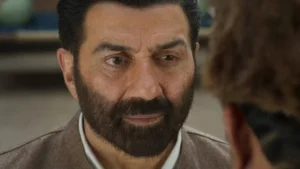
The climax arrives with a blunt efficiency that the rest of the film has been building toward. Sree Ranganathan Keerthik, the vigilante known as the Sweet Rogue Killer, dismantles the Forelli syndicate in a decisive showdown, and then does something unexpected, he surrenders.
That final beat, where victory and accountability collide, is the film’s most discussed scene for a reason. It reframes the entire vigilante premise from simple revenge to a civic statement.
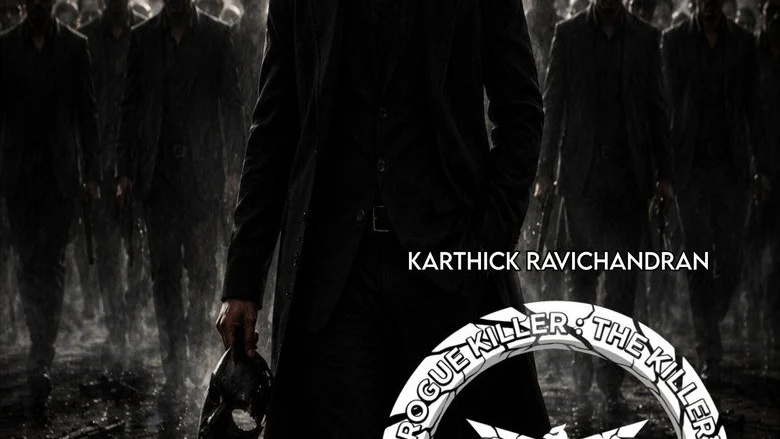
Karthick Ravichandran Anchors the Double Role with Physical Grit
Ravichandran plays both the director and the title character, a dual burden that shows in the film’s controlled focus. His SRK is less a charismatic anti-hero and more a functional instrument of justice, which suits the compact runtime.
The performance works best when he moves, the action sequences carry a directness that dialogue scenes lack. His surrender in the final act is the one moment where the character feels genuinely human.

Direction and Screenplay: A Tight Structure with a Linear Spine
Ravichandran’s direction keeps the narrative locked on a single criminal conspiracy, a discipline that many longer films fail to maintain. The investigation into Luigi Forelli’s death and the missing money anchors the first half with a clean procedural pull.
The screenplay is strictly linear, investigation, escalation, confrontation, surrender, with no subplots to muddy the waters. The flaw is that this efficiency leaves little room for texture; supporting characters exist as plot functions rather than people.
Genre Execution: Action, Crime, and the Missing Mystery
The action framework is built on the vigilante premise, which gives every confrontation a moral subtext. SRK isn’t just fighting; he’s cleaning house, and the Forelli bloodline provides a clear, generational antagonist structure. The final battle against Mario Forelli’s forces is the genre’s peak, a compressed burst of violence that resolves the central conflict without dragging.
The crime element works through Inspector Anand Kumar’s investigation, which treats the death and the missing money as two threads of one conspiracy. This procedural spine gives the film a grounded quality that pure action films often skip. Anand’s realization that the case is bigger than a single murder is the pivot that moves the plot into its second half.
The mystery tag is the weakest link. The film poses questions, who killed Luigi, where is the money, but answers them with broad strokes rather than clever reveals. The comedy, too, is largely absent from the available material, leaving the genre blend feeling more like action-crime with a marketing label than a true hybrid.
Supporting Cast: Functional Roles, Limited Depth
Pranav Kumar’s Inspector Anand is the film’s procedural conscience, driving the investigation and connecting the dots to the larger conspiracy. His recognition in the final act gives the law-enforcement side a satisfying close, even if his character arc is largely reactive.
Dhushyanth A’s Mario Forelli serves as the revenge-driven antagonist, but his menace is generic, he represents the syndicate’s return rather than a distinct personality. Dinesh R K, Akash G, and Sibi Velan fill out the roster as R K, ‘Zoro’ Nelson, and Malak Subramaniyam, but the available material offers no scene-level detail on their work. Their casting signals a deliberate ensemble approach, though the short runtime leaves them underused.
Political Angle and the Vigilante’s Civic Bargain
The film’s most interesting political gesture is SRK’s surrender. By linking criminal power to corruption and political influence, the narrative suggests that vigilante justice is a temporary fix, not a permanent solution.
There is no external controversy attached to the production, which is notable given the subject matter. The film’s politics stay internal, a commentary on civic accountability rather than a provocation aimed at real-world institutions.
For a film this compact, the focus is admirable, even if the ambition outstrips the runtime. Browse more Tamil Action reviews for similar genre deep-dives.
What the Numbers Say, and What They Don’t
There is no verified critic aggregate or box office figure available for this release, which makes a definitive public verdict impossible. What the audience response does offer is a clear picture: the 40-minute runtime and the straightforward action-crime-mystery setup are the film’s most praised attributes.
The lack of negative audience complaints in the available data suggests the film doesn’t overstay its welcome. I find that a compact film with a clean resolution is a rare commodity, and this one deserves credit for not padding its story.
The Verdict: A Lean, Purposeful Watch for Genre Purists
If you want a film that respects your time and delivers a complete vigilante arc without filler, this is a solid pick for an OTT evening. The action is direct, the conspiracy is clear, and the ending lands with a moral clarity that bigger films often fumble.
Skip it if you need deep character work or a rich mystery, this is a sprint, not a marathon.
Sweet Rogue Killer earns a 3 out of 5 for its disciplined structure and decisive climax, even if its supporting cast and mystery elements remain undercooked.
For another take on a compact narrative, see how Equal review handles its own identity crisis.
And if you prefer your romance with honest craft, Aali verdict offers a different kind of restraint.

Ankit Jaiswal is the Chief Author, covering Indian cinema and OTT releases with honest, no-filler criticism. An SEO strategist by background, he brings a research-driven approach to film writing, cutting through hype to tell you exactly what's worth your time.
Related Movies & Releases