Crystal Harris Slams Jessica Biel Casting in Playmates: ‘Reconsider

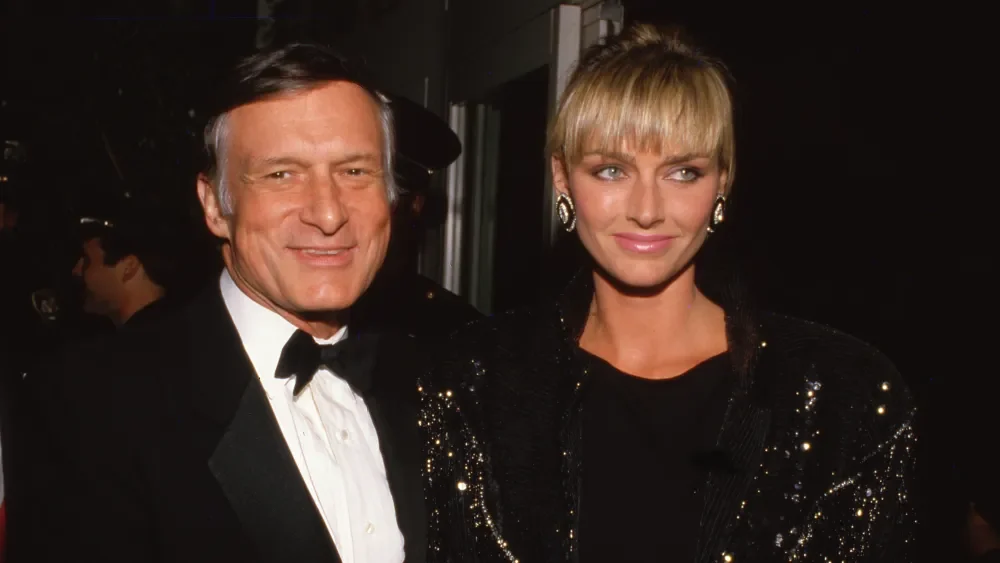
- The Scoop: Hugh Hefner’s widow, Crystal Harris, has publicly urged Jessica Biel to reconsider her role in the upcoming film Playmates, where Biel is set to portray a fictionalized version of Hefner’s wife.
- Creative Team & Cast: The project, reported by Variety, is directed by Lorraine Nicholson and features a high-profile ensemble including Lily-Rose Depp, Indiana Elle, and Bill Pullman as the Playboy founder.
- Industry Stakes: Harris’s objection, citing her own experience of abuse, injects a volatile real-world controversy into a studio project attempting to navigate the complex legacy of the Playboy empire.
Crystal Harris, the widow of Playboy founder Hugh Hefner, has issued a direct public appeal to actress Jessica Biel regarding her casting in the forthcoming film Playmates. Harris is urging Biel to step away from the role of a fictionalized wife of Hefner, a part that is distinct from Harris’s own history but central to the film’s narrative. The intervention lands as a significant pre-production complication for a project aiming to dramatize the inner workings of the Playboy mansion.
The film, which has been building momentum in the industry, is set to be directed by Lorraine Nicholson. Nicholson is tasked with steering a production that must balance its dramatic ambitions against the highly publicized and contentious realities of the Hefner legacy. The project’s creative team is assembling a cast that signals a serious, character-driven approach to the material.
Inside the Casting of a Fictionalized Playboy Legacy
The center of the current controversy is a reported casting decision that places Jessica Biel in the role of a former Playmate who becomes Hefner’s wife. This is a fictionalized character, not a direct portrayal of Harris, Mildred Williams, or Kimberley Conrad. The distinction is crucial, yet it has not insulated the production from the real-world ramifications of the Playboy brand.
Harris’s public statement draws a sharp line between artistic interpretation and lived experience. She stated, “I was actually his wife, and I experienced sexual, emotional, financial and physical abuse in this relationship.” Her appeal to Biel was unequivocal: “Please reconsider playing Hugh Hefner’s ‘wife’ if this film intends to romanticize him or the Playboy world.” This direct testimony challenges the film’s creative license, framing it as a potential act of romanticization.
The ensemble surrounding Biel further defines the project’s scope. Bill Pullman is attached to portray Hugh Hefner, a casting choice that suggests a focus on the mogul’s later years and complex personal dynamics. The inclusion of Lily-Rose Depp and Indiana Elle rounds out a cast that indicates a multi-generational story, likely exploring the intersection of fame, youth, and power within the mansion’s walls. This combination of talent points to a production with significant theatrical aspirations, monitored closely across our industry trade desk.
Production Calculus: Navigating Controversy Before Cameras Roll
For the filmmakers, Harris’s statement presents a formidable marketing and public relations challenge long before a single frame is shot. A film’s commercial trajectory is often set by its earliest headlines, and a controversy of this nature can define the public’s perception. The production now faces the delicate task of proceeding with its fictional narrative while a key real-life figure actively campaigns against its potential tone.
The studio backing the project has not yet issued a formal response to Harris’s comments. How the producers and director Lorraine Nicholson choose to address this will be a critical test of the film’s positioning. They must decide whether to engage with the criticism directly or allow the film’s eventual narrative to speak for itself, a high-stakes gamble in an era of heightened audience scrutiny.
Without a confirmed release date, the film’s financial model remains a matter of speculation. However, the initial casting and the immediate, passionate response from Hefner’s widow signal a project that will be judged as much on its ethical stance as its cinematic merits. The ultimate box-office performance will hinge on whether audiences embrace a fictionalized drama or reject it as an insensitive portrayal of a deeply contested legacy.

Ankit Jaiswal is the Chief Author, covering Indian cinema and OTT releases with honest, no-filler criticism. An SEO strategist by background, he brings a research-driven approach to film writing, cutting through hype to tell you exactly what's worth your time.
Related Movies & Releases